
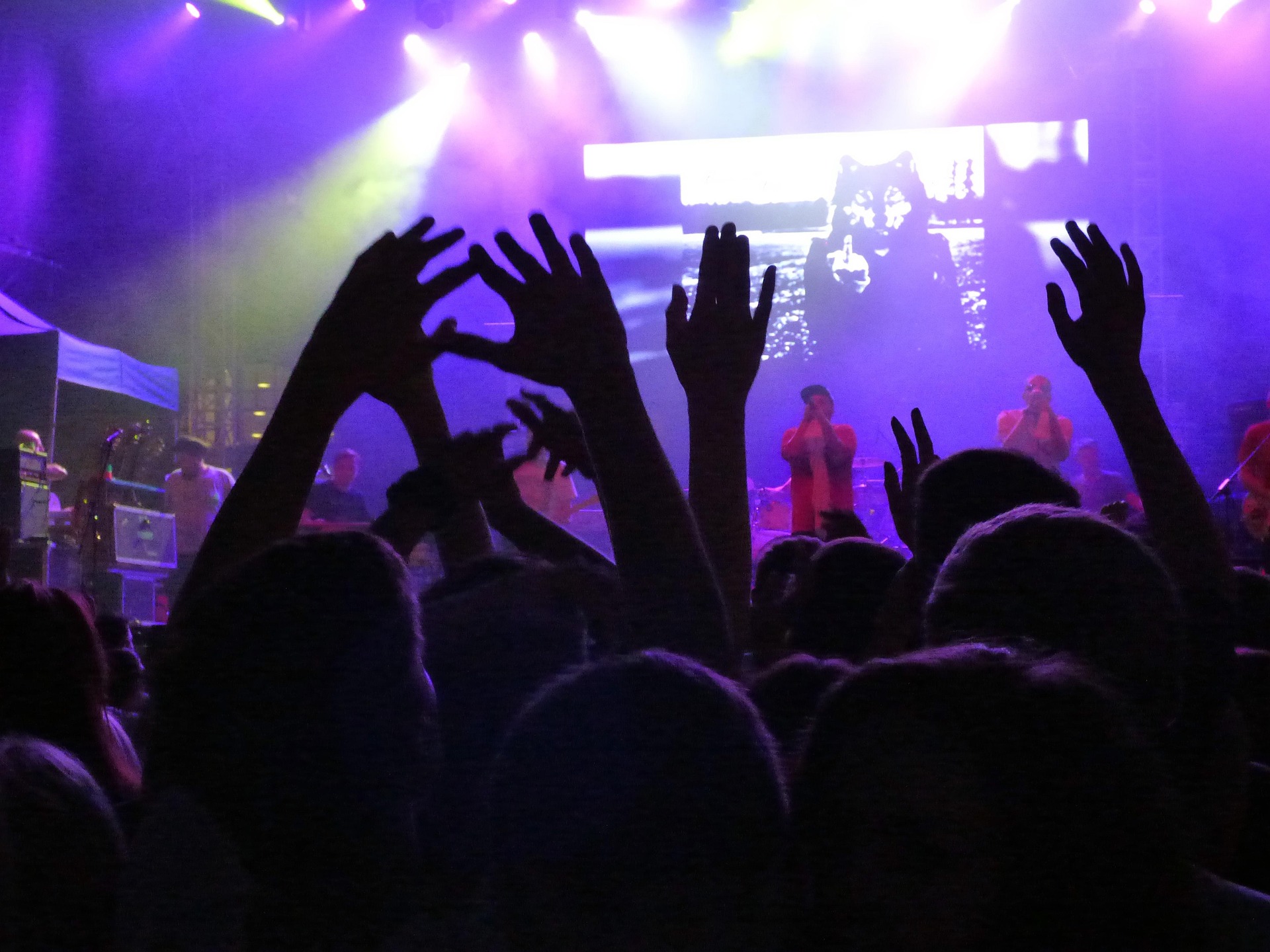
An event checklist before opening doors helps event organizers avoid chaos at the most critical moment — right before guests arrive. When organizing an event, it may seem like the hardest part is selling tickets or building the entire marketing strategy. In reality, the last few hours before opening doors matter the most. This is the moment when all preparation must start working in real life.
This is the moment when everything comes together. Artists arrive, staff ask questions, phones are constantly ringing, and at the same time the first guests are already gathering outside the door. If the system is not in place by then, chaos can escalate very quickly.
That’s why experienced organizers always use some kind of checklist. Not to “formally tick things off”, but to make sure the most important things are not missed in the stress of the moment.
1. Check the entry system
The very first experience a visitor has at an event is the entrance. If people have to wait too long, staff can’t find lists, or ticket scanning is slow, it immediately affects the entire atmosphere of the night.
Before opening doors, the check-in system should always be tested. Scan a few test tickets, check QR code scanning, and make sure the internet connection is stable. Very often it is assumed that the technical setup “will definitely work”, but the final minutes are exactly when unexpected issues can appear.
There should also be a backup plan. If one phone or scanner stops working, the entire entrance process should not come to a halt. A good organizer thinks through these situations before anything goes wrong.
2. Make sure the staff know their roles
During an event, information moves fast and people start asking questions from the very first minutes. If staff do not know exactly what they are responsible for or who to contact in case of problems, confusion builds up quickly.
Before opening doors, a short team briefing is essential. Even 10–15 minutes is enough to get everyone aligned. During this, you should clearly cover:
- who is responsible for the entrance
- who communicates with artists
- who handles VIP guests
- who makes decisions in problem situations

Many issues at events do not happen because something breaks, but because people fail to communicate in time.
3. Check guest lists
VIP lists, free passes, sponsor guests, and artist +1 entries can quickly turn into chaos. Usually the problem is not that lists are missing, but that they are spread across too many places.
If the person working at the door has to search through Messenger, WhatsApp, and Excel at the same time, queues form immediately. That’s why all guest information should be stored in one system before doors open. With GateMe, all guests can be managed in one system — read more here.
One often underestimated part is this: not everyone is allowed in, even if they show up. This might be someone with the wrong ID, a missing name on the list, or someone who is too intoxicated.
In these situations, it is not just about saying “no”, but how it is communicated. The person at the door should not simply refuse entry without explanation. That quickly creates tension both for the guest and for people waiting in line.
When someone is denied entry, communication should always be clear and calm:
- briefly explain the reason (e.g. wrong ID, not on the list, security concern)
- explain what the person can do next (e.g. contact organizers after the event to clarify the situation)
- keep the tone neutral and professional, not emotional
If one person is turned away but others do not understand why, confusion and rumors quickly spread in the queue. Clear internal communication keeps the situation under control.
4. Test sound and lighting
Technical issues often feel much bigger to guests than organizers expect. If the sound cuts out, microphones don’t work, or lighting is misconfigured, it immediately creates an unprofessional impression.
Even if the sound and lighting team has already tested everything earlier, a final quick check before opening doors is still necessary. Make sure to check:
- microphones
- DJ setup
- lighting
- projectors or LED screens
- necessary cables and adapters
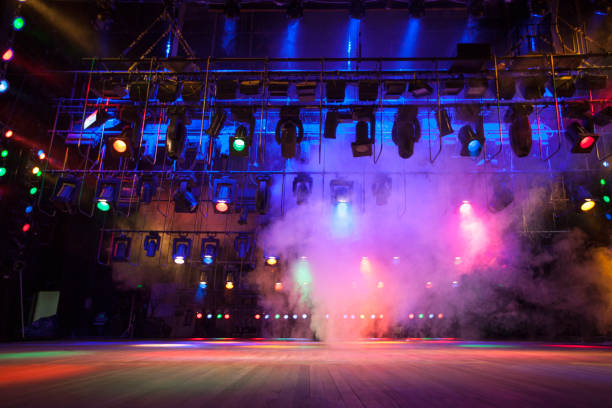
The final minutes before the event starts are often the most critical, because that is when everything is used in real conditions for the first time.
5. Walk through the venue as a guest
Organizers see the venue very differently from guests. After long preparation, many details become “invisible”.
That’s why it’s useful to walk through the entire space right before opening doors as if you were a first-time visitor. Ask yourself:
- is the entrance clear
- can people easily find the cloakroom
- are toilets clearly marked
- do people understand where to go
- could any bottlenecks or queues form
These small details have a much bigger impact on the guest experience than they might seem at first.
6. Double-check the schedule
Almost no event goes exactly according to the original plan. An artist may be late, parts of the program may run longer, or setup may take more time than expected.
That’s why it is crucial that everyone has the same, most up-to-date version of the schedule before doors open. The worst situation is when different team members are working with different information.
Make sure that:
- artists know their set times
- staff have the correct schedule
- security knows peak hours
- photographers and videographers know key moments
A clear schedule prevents a lot of last-minute panic.
7. Prepare for problem-solving
Something almost always goes wrong. The question is not whether a problem will occur, but how quickly it will be handled.
A good organizer does not try to create a “perfect” event. Instead, they prepare for situations where things change unexpectedly.
Before opening doors, think through:
- what to do if the internet goes down
- what to do if queues get too long
- what to do if an artist is late
- what to do if a ticket does not work
- who makes decisions in a crisis
If backup plans exist, problems become much smaller and the team stays calm.
Conclusion
A good event does not mean that no problems occur. It means that the important details have been thought through before opening doors and the team is ready to respond quickly. An event checklist helps avoid queues, technical issues, communication mistakes, team confusion, and situations where people are left without information.
Most importantly, a well-prepared start creates a much more professional and calm atmosphere for the rest of the night.
In the end, people do not remember how stressful the setup was for the organizer. They remember whether the event was engaging and whether they would want to come back again.