
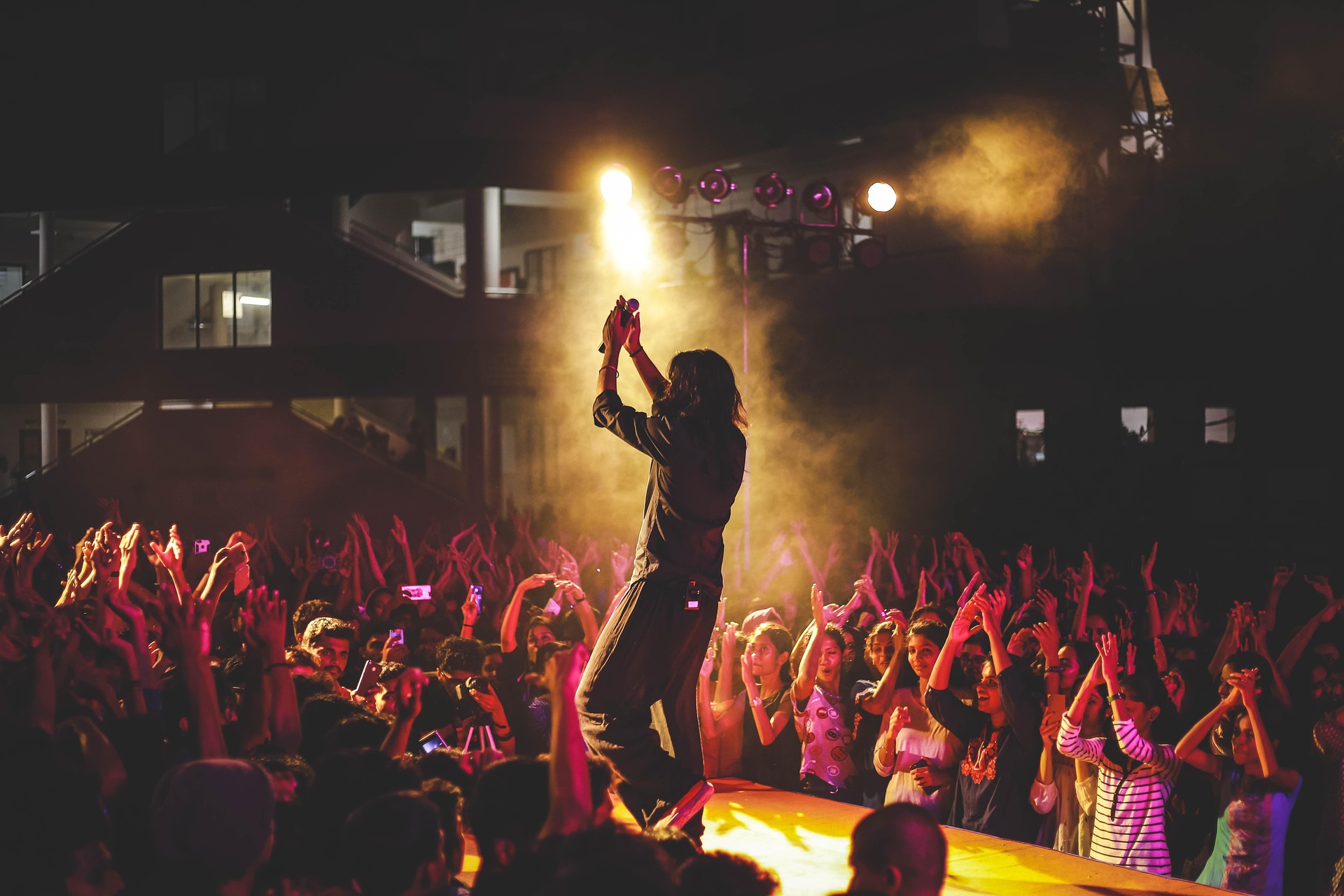
Why do people buy tickets to an event when they don’t recognize a single artist on the lineup? It’s a question every event organizer should take the time to consider. While it’s easy to assume that ticket sales are driven primarily by well-known names, the reality is that purchase decisions are often influenced by trust, emotions, and previous experiences.
Why do people buy tickets to an event when they don’t recognize a single artist on the lineup? It’s a question every event organizer should take the time to consider. While it’s easy to assume that ticket sales are driven primarily by well-known names, the reality is that purchase decisions are often influenced by trust, emotions, and previous experiences.
A strong lineup is undoubtedly one of the key foundations of a successful event. Well-known artists, high-quality performers, or an exciting schedule may be what initially attracts someone to an event page. However, they are often not the main reason a person ultimately decides to buy a ticket.
When people make the decision to attend an event, they aren’t just imagining what will happen on stage. They’re picturing the entire experience. What will the atmosphere be like? Is the venue appealing? Who will they go with? Will they meet familiar faces? Will it be a night worth remembering?
These questions often have a greater influence on the final decision than people realize.
That’s why someone may happily buy a ticket to an event featuring artists they’ve never heard of, while skipping a concert headlined by internationally recognized names. The deciding factor isn’t always the lineup, it’s the feeling the event creates before the ticket is even purchased.
A great event begins long before the first artist steps onto the stage. It starts the moment someone sees the event visuals, reads the description, or receives a recommendation from a friend.
Trust Is One of the Strongest Selling Points
Trust isn’t something that can be created with a single advertising campaign. It develops gradually and is built through dozens of positive experiences.
If attendees have previously enjoyed a well-organized event, buying a ticket for the next one becomes much easier. They’re no longer thinking only about who is performing—they’re remembering the entire experience.
Was entry smooth and well-organized? Was the event information clear? Did the atmosphere match what was promised? Did people leave feeling like they wanted to come back next year?
These details may seem obvious to an organizer, but for attendees they form the foundation of trust. Once that trust exists, every new event doesn’t have to be marketed from scratch.
The same principle applies to many successful festivals, concert series, and recurring events. People often purchase tickets before the full lineup has even been announced because they trust the event itself. They know that even if they don’t recognize every artist, the overall experience is likely to be worthwhile.
An Event’s Value Is Also Created by Its Audience
Event organizers spend a great deal of time talking about artists, production, and technical solutions. Far less attention is given to the fact that the audience itself plays a significant role in shaping the overall experience.
People want to spend time in environments where they feel comfortable. They notice the atmosphere, the way people interact with one another, and the overall energy of the event. Very often, this is what motivates them to return the following year.
If you’d like to learn more about attracting the right audience, we also recommend reading our article, How to Promote Your Event to the Right Audience, where we explore strategies for reaching the people most likely to attend.
After some events, people don’t say, “The headliner was amazing.” Instead, they say, “The vibe was incredible.»
That may sound abstract, but these are exactly the kinds of emotions people remember the longest. When an event creates a genuine sense of community, where attendees feel like they belong, it becomes much more than just a lineup of performances. At that point, the event is no longer selling artists. It’s selling a sense of belonging.
What Does This Mean for Event Organizers?
As an organizer, it’s easy to focus on the metrics that are easiest to measure: ticket sales, advertising performance, or social media engagement. While these are all important, they don’t tell the whole story.
Long-term success depends on something much bigger: do people want to come back? Do they continue talking about the event weeks later? Do they recommend it to their friends? Are they willing to buy tickets for the next edition before the full program has even been announced?
These questions reveal something far more valuable than the sales figures from a single event—they reveal the strength of your event’s reputation.
Reputation is never built overnight. It grows through consistency, reliable organization, and memorable experiences. Once people begin to trust your event, every new lineup no longer has to prove itself from scratch.
That’s when an event becomes more than a one-time experience. It becomes a brand that people look forward to returning to year after year.