The psychology of ticket sales: how to influence people’s purchasing decisions?
Have you ever wondered why some people buy a ticket immediately, while others wait until the last minute? Efficient event organizers don’t just sell tickets based on the features, they deliberately use psychological principles to influence people’s decisions. In this post, we’ll go through these principles and show you how to use them ethically and effectively.
1. Psychological Price Perception: Anchoring and Creating Value
People don’t decide on ticket prices purely rationally, they compare them to other prices. This is called price anchoring: the first price information someone sees becomes a reference point for evaluating other options.
For example, if you display a standard ticket next to a much more expensive VIP ticket, the standard ticket automatically feels like a better deal. You can use the same effect by:
- Showing a discounted price next to a higher original price, so it makes the deal feel more valuable
- Using package pricing to highlight the savings compared to buying items separately
This helps potential buyers decide faster because they immediately see the value.
2. FOMO (Fear of Missing Out) and Scarcity Boost Sales

One of the strongest psychological motivators is FOMO — the fear of missing out. If people feel that availability is limited, whether by time or quantity, they are more likely to act quickly. You can leverage this by:
- Showing how many tickets are left
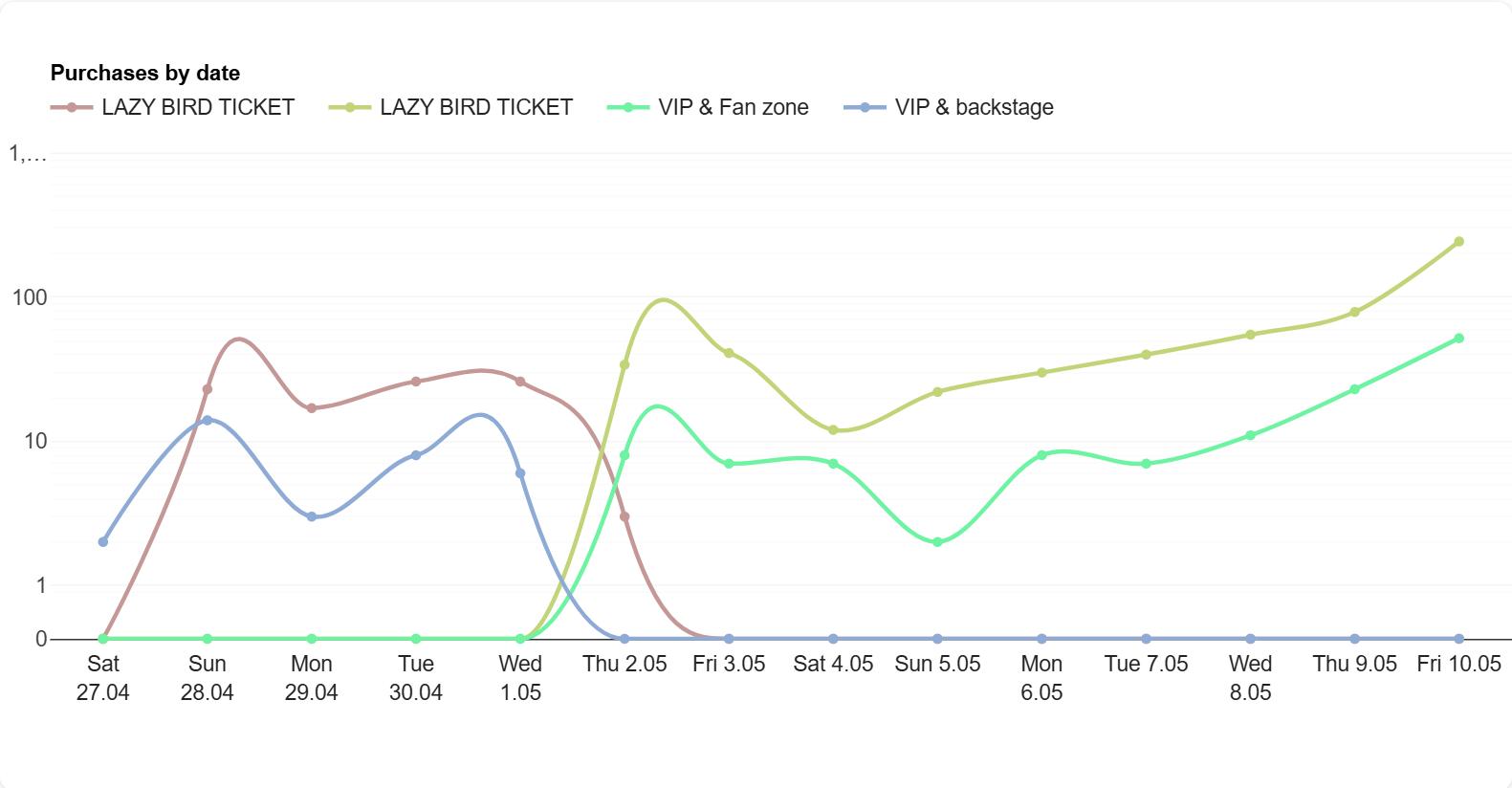
- Setting a limited time for “early bird” pricing
- Highlighting ticket benefits, such as VIP access to exclusive areas
This isn’t manipulation, it’s a natural way to help people make a timely and confident decision.
3. Social Proof: When Others Are Already Buying
People often decide not just based on their own needs, but also by seeing what others are doing. This is called social proof: seeing that others are buying makes them more likely to follow suit.
How to use this in GateMe:
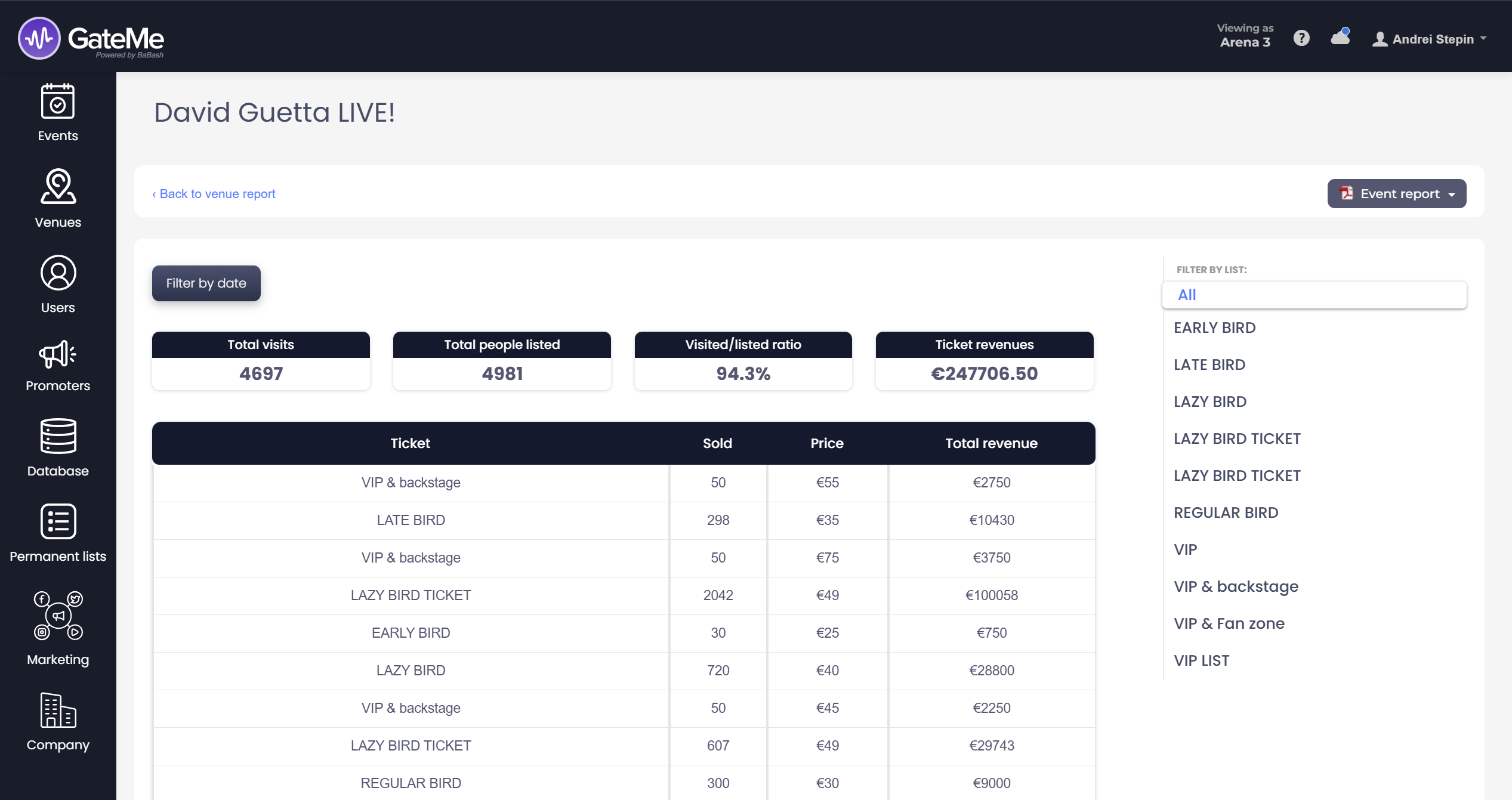
- Display how many tickets have already been sold or which price tiers are most popular
- Highlight comments or endorsements from the headliner about the event’s value (“Tõnu said this year’s event will definitely be the best live experience”)
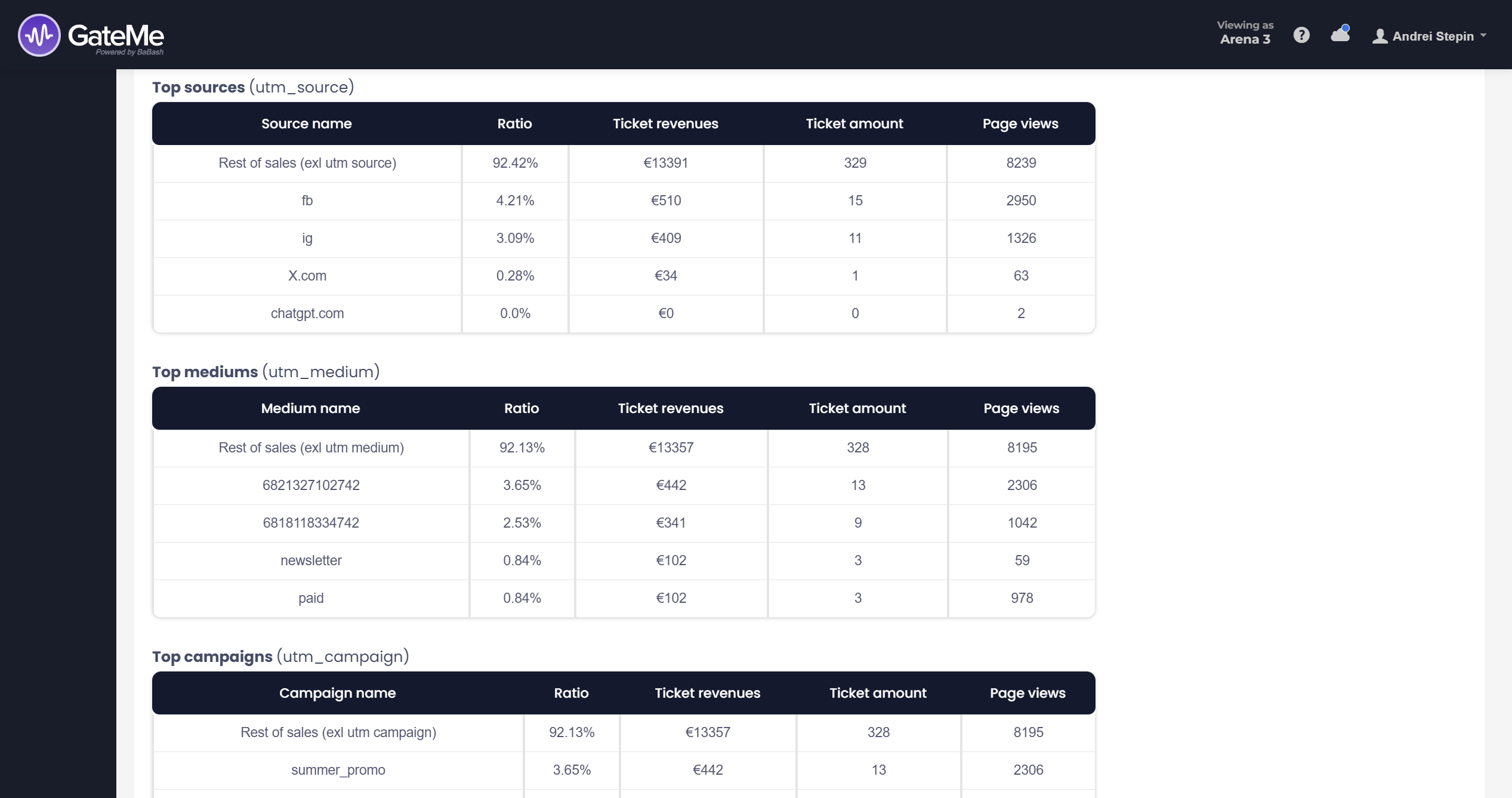
- Encourage buyers to react and share their interest on social media
This creates the impression of a popular, highly valued event and helps new attendees think: “If so many people are going, I want to go too.”
4. Bundles and Psychological Value
Sometimes people don’t just buy a single ticket, they buy a package when it shows greater value. Offers that combine multiple elements — like ticket + merchandise + VIP access — create buying pressure and feel more affordable than buying separately.
With GateMe you can:
- Create ticket packages where VIP includes additional perks
- Offer group tickets that are cheaper than buying individually
Bundle tickets and combining extras provide buyers with greater perceived value and make the decision easier. Through VIP add-ons, group tickets, or combined packages, GateMe can increase purchase appeal and boost the average order value.
5. Conscious Ethical Selling: Value for the Buyer, Not Pressure
While psychological motivators are effective, it’s crucial to use them ethically:
- Avoid misleading information; provide less but reliable details rather than exaggerated claims that disappoint
- Don’t create artificial urgency that isn’t real
- Keep the entire buying process honest and transparent
- The right approach ensures buyers make decisions consciously, without feeling tricked.
This strategy builds stronger brand trust and encourages repeat customers.
In Summary Make Buying Easy, Valuable, and Trustworthy
When you use price anchoring, package deals, and FOMO tactics, buyers immediately see the ticket’s value and act faster. Include headliner comments and popularity indicators to build trust and social proof, and offer bundled options to make the decision simple and attractive. Always do it ethically and transparently, this turns ticket buying into a logical, motivating, and enjoyable experience, without any pressure.