Why do people buy tickets to an event when they don’t recognize a single artist on the lineup? It’s a question every event organizer should take the time to consider. While it’s easy to assume that ticket sales are driven primarily by well-known names, the reality is that purchase decisions are often influenced by trust, emotions, and previous experiences.
Why do people buy tickets to an event when they don’t recognize a single artist on the lineup? It’s a question every event organizer should take the time to consider. While it’s easy to assume that ticket sales are driven primarily by well-known names, the reality is that purchase decisions are often influenced by trust, emotions, and previous experiences.
A strong lineup is undoubtedly one of the key foundations of a successful event. Well-known artists, high-quality performers, or an exciting schedule may be what initially attracts someone to an event page. However, they are often not the main reason a person ultimately decides to buy a ticket.
When people make the decision to attend an event, they aren’t just imagining what will happen on stage. They’re picturing the entire experience. What will the atmosphere be like? Is the venue appealing? Who will they go with? Will they meet familiar faces? Will it be a night worth remembering?
These questions often have a greater influence on the final decision than people realize.
That’s why someone may happily buy a ticket to an event featuring artists they’ve never heard of, while skipping a concert headlined by internationally recognized names. The deciding factor isn’t always the lineup, it’s the feeling the event creates before the ticket is even purchased.
A great event begins long before the first artist steps onto the stage. It starts the moment someone sees the event visuals, reads the description, or receives a recommendation from a friend.
Trust Is One of the Strongest Selling Points
Trust isn’t something that can be created with a single advertising campaign. It develops gradually and is built through dozens of positive experiences.
If attendees have previously enjoyed a well-organized event, buying a ticket for the next one becomes much easier. They’re no longer thinking only about who is performing—they’re remembering the entire experience.
Was entry smooth and well-organized? Was the event information clear? Did the atmosphere match what was promised? Did people leave feeling like they wanted to come back next year?
These details may seem obvious to an organizer, but for attendees they form the foundation of trust. Once that trust exists, every new event doesn’t have to be marketed from scratch.
The same principle applies to many successful festivals, concert series, and recurring events. People often purchase tickets before the full lineup has even been announced because they trust the event itself. They know that even if they don’t recognize every artist, the overall experience is likely to be worthwhile.
An Event’s Value Is Also Created by Its Audience
Event organizers spend a great deal of time talking about artists, production, and technical solutions. Far less attention is given to the fact that the audience itself plays a significant role in shaping the overall experience.
People want to spend time in environments where they feel comfortable. They notice the atmosphere, the way people interact with one another, and the overall energy of the event. Very often, this is what motivates them to return the following year.
If you’d like to learn more about attracting the right audience, we also recommend reading our article, How to Promote Your Event to the Right Audience, where we explore strategies for reaching the people most likely to attend.
After some events, people don’t say, “The headliner was amazing.” Instead, they say, “The vibe was incredible.”
That may sound abstract, but these are exactly the kinds of emotions people remember the longest. When an event creates a genuine sense of community, where attendees feel like they belong, it becomes much more than just a lineup of performances. At that point, the event is no longer selling artists. It’s selling a sense of belonging.
What Does This Mean for Event Organizers?
As an organizer, it’s easy to focus on the metrics that are easiest to measure: ticket sales, advertising performance, or social media engagement. While these are all important, they don’t tell the whole story.
Long-term success depends on something much bigger: do people want to come back? Do they continue talking about the event weeks later? Do they recommend it to their friends? Are they willing to buy tickets for the next edition before the full program has even been announced?
These questions reveal something far more valuable than the sales figures from a single event—they reveal the strength of your event’s reputation.
Reputation is never built overnight. It grows through consistency, reliable organization, and memorable experiences. Once people begin to trust your event, every new lineup no longer has to prove itself from scratch.
That’s when an event becomes more than a one-time experience. It becomes a brand that people look forward to returning to year after year.
An event checklist before opening doors helps event organizers avoid chaos at the most critical moment — right before guests arrive. When organizing an event, it may seem like the hardest part is selling tickets or building the entire marketing strategy. In reality, the last few hours before opening doors matter the most. This is the moment when all preparation must start working in real life.
This is the moment when everything comes together. Artists arrive, staff ask questions, phones are constantly ringing, and at the same time the first guests are already gathering outside the door. If the system is not in place by then, chaos can escalate very quickly.
That’s why experienced organizers always use some kind of checklist. Not to “formally tick things off”, but to make sure the most important things are not missed in the stress of the moment.
1. Check the entry system
The very first experience a visitor has at an event is the entrance. If people have to wait too long, staff can’t find lists, or ticket scanning is slow, it immediately affects the entire atmosphere of the night.
Before opening doors, the check-in system should always be tested. Scan a few test tickets, check QR code scanning, and make sure the internet connection is stable. Very often it is assumed that the technical setup “will definitely work”, but the final minutes are exactly when unexpected issues can appear.
There should also be a backup plan. If one phone or scanner stops working, the entire entrance process should not come to a halt. A good organizer thinks through these situations before anything goes wrong.
2. Make sure the staff know their roles
During an event, information moves fast and people start asking questions from the very first minutes. If staff do not know exactly what they are responsible for or who to contact in case of problems, confusion builds up quickly.
Before opening doors, a short team briefing is essential. Even 10–15 minutes is enough to get everyone aligned. During this, you should clearly cover:
- who is responsible for the entrance
- who communicates with artists
- who handles VIP guests
- who makes decisions in problem situations

Many issues at events do not happen because something breaks, but because people fail to communicate in time.
3. Check guest lists
VIP lists, free passes, sponsor guests, and artist +1 entries can quickly turn into chaos. Usually the problem is not that lists are missing, but that they are spread across too many places.
If the person working at the door has to search through Messenger, WhatsApp, and Excel at the same time, queues form immediately. That’s why all guest information should be stored in one system before doors open. With GateMe, all guests can be managed in one system — read more here.
One often underestimated part is this: not everyone is allowed in, even if they show up. This might be someone with the wrong ID, a missing name on the list, or someone who is too intoxicated.
In these situations, it is not just about saying “no”, but how it is communicated. The person at the door should not simply refuse entry without explanation. That quickly creates tension both for the guest and for people waiting in line.
When someone is denied entry, communication should always be clear and calm:
- briefly explain the reason (e.g. wrong ID, not on the list, security concern)
- explain what the person can do next (e.g. contact organizers after the event to clarify the situation)
- keep the tone neutral and professional, not emotional
If one person is turned away but others do not understand why, confusion and rumors quickly spread in the queue. Clear internal communication keeps the situation under control.
4. Test sound and lighting
Technical issues often feel much bigger to guests than organizers expect. If the sound cuts out, microphones don’t work, or lighting is misconfigured, it immediately creates an unprofessional impression.
Even if the sound and lighting team has already tested everything earlier, a final quick check before opening doors is still necessary. Make sure to check:
- microphones
- DJ setup
- lighting
- projectors or LED screens
- necessary cables and adapters
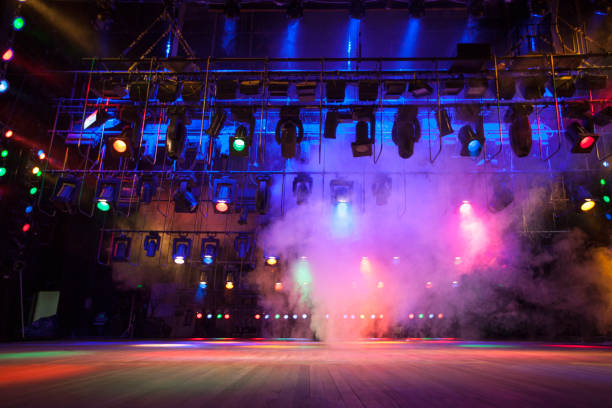
The final minutes before the event starts are often the most critical, because that is when everything is used in real conditions for the first time.
5. Walk through the venue as a guest
Organizers see the venue very differently from guests. After long preparation, many details become “invisible”.
That’s why it’s useful to walk through the entire space right before opening doors as if you were a first-time visitor. Ask yourself:
- is the entrance clear
- can people easily find the cloakroom
- are toilets clearly marked
- do people understand where to go
- could any bottlenecks or queues form
These small details have a much bigger impact on the guest experience than they might seem at first.
6. Double-check the schedule
Almost no event goes exactly according to the original plan. An artist may be late, parts of the program may run longer, or setup may take more time than expected.
That’s why it is crucial that everyone has the same, most up-to-date version of the schedule before doors open. The worst situation is when different team members are working with different information.
Make sure that:
- artists know their set times
- staff have the correct schedule
- security knows peak hours
- photographers and videographers know key moments

A clear schedule prevents a lot of last-minute panic.
7. Prepare for problem-solving
Something almost always goes wrong. The question is not whether a problem will occur, but how quickly it will be handled.
A good organizer does not try to create a “perfect” event. Instead, they prepare for situations where things change unexpectedly.
Before opening doors, think through:
- what to do if the internet goes down
- what to do if queues get too long
- what to do if an artist is late
- what to do if a ticket does not work
- who makes decisions in a crisis
If backup plans exist, problems become much smaller and the team stays calm.
Conclusion
A good event does not mean that no problems occur. It means that the important details have been thought through before opening doors and the team is ready to respond quickly. An event checklist helps avoid queues, technical issues, communication mistakes, team confusion, and situations where people are left without information.
Most importantly, a well-prepared start creates a much more professional and calm atmosphere for the rest of the night.
In the end, people do not remember how stressful the setup was for the organizer. They remember whether the event was engaging and whether they would want to come back again.
Event promotion to the right audience is the foundation of successful ticket sales. Even the best event will not sell well if the promotion does not reach the right people. Many organizers invest heavily in advertising, but results remain disappointing because the campaign reaches the wrong audience.
If your promotion reaches people who have no real interest in the event, the results will naturally remain modest. The foundation of successful ticket sales lies in clearly defining your target audience and building a marketing strategy around it.
1. Define Your Ideal Attendee
Before creating any advertisement, every organizer should be able to answer the most important question: who is this event actually for? Very often, promotion starts too quickly without properly thinking about who the person is that should be buying the ticket.
Are you targeting young festival-goers who spend most of their time on Instagram and TikTok? Or are you trying to reach business professionals attending conferences, whose decisions are influenced more by LinkedIn and industry recommendations? Perhaps your audience is families looking for quality weekend entertainment.
When defining your target audience, it is important to consider age, location, interests, buying behavior, and previous attendance at similar events. The more precisely the audience is defined, the easier it becomes to create a message that genuinely speaks to them.
A simple visualization tool: Audience Persona Map
To make this process more practical, it helps to visualize your ideal attendee instead of just thinking about them abstractly. A simple “Audience Persona Map” can help you clearly define who you are targeting.
You can draw it like this:
- Name your persona (e.g. “Marketing Manager Mark” or “Festival Fan Laura”)
- Age & location
- Interests & hobbies
- Where they spend time online (Instagram, TikTok, LinkedIn, etc.)
- What motivates them to buy a ticket
- What stops them from buying
2. Use Facebook and Instagram Targeting Strategically
Once your target audience is clearly defined, the next important question becomes how to reach them. Facebook and Instagram offer powerful opportunities for this because the Meta Ads platform allows highly precise audience targeting.
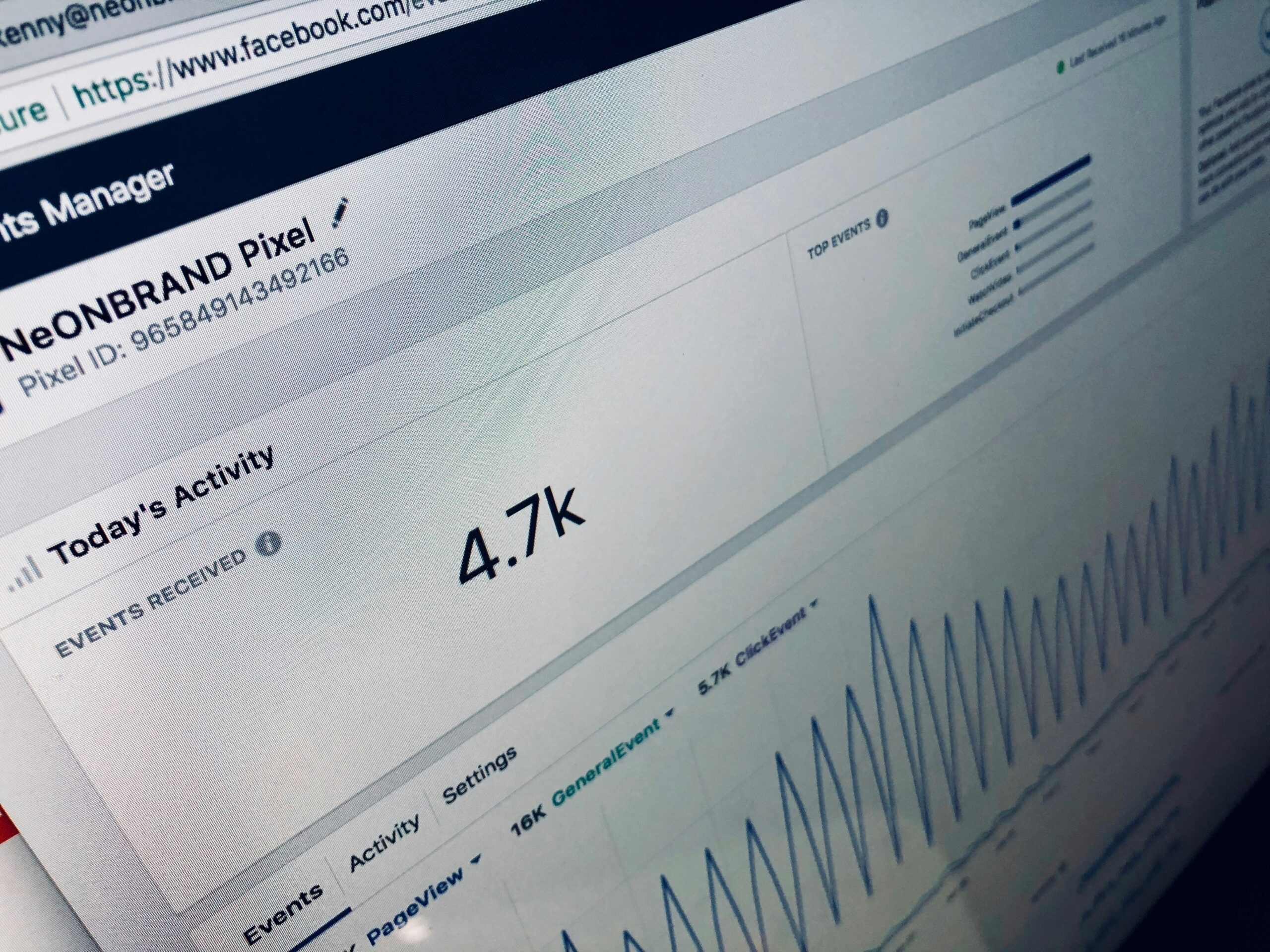
Advertisements can be targeted based on age, gender, location, interests, online behavior, and previous actions. This means your ad does not need to reach simply “as many people as possible,” but specifically those who are most likely to purchase a ticket.
One of the most valuable opportunities is using data from previous ticket buyers. If an organizer already has an existing audience, they can create a similar audience known as a Lookalike Audience. This helps identify new people whose interests and behavior closely match those of existing customers.
This approach significantly reduces wasted advertising budget and improves campaign performance.
3. Test Different Ads Instead of Relying on One Idea
One of the most common mistakes in marketing is assuming that the first ad created is automatically the best solution. In reality, the best-performing advertisement usually becomes clear only through testing.
Different people respond to different visuals, headlines, and messages. For one audience, an emotional video ad may work better, while for another, a clear and informative image ad may perform much stronger. Calls to action (CTA) can also produce very different results.
A/B testing allows organizers to compare multiple versions and see which one generates more clicks, better conversions, and higher ticket sales. Even small changes can lead to surprisingly large improvements.
4. Track Results and Make Decisions Based on Data
Launching an advertisement is not the end of marketing—it is only the beginning. Truly successful campaigns are built through continuous monitoring and optimization which is easy with GateMe.

It is important to track how much one click costs, how many people complete a purchase, and what the real return on the advertisement is. Metrics such as CPC (cost per click), conversion rate, and ROAS (return on ad spend) provide a clear picture of what is working and what is not.
If the data shows that one audience responds better than another, the budget should be adjusted accordingly. If one ad version generates more sales, it makes sense to continue developing that version further.
Data-driven decision-making helps make every future campaign stronger than the previous one.
Conclusion
Successful event marketing is not about having a bigger advertising budget, it is about smarter targeting. The right audience, at the right time, with the right message is what truly increases ticket sales.
When an organizer knows exactly who they are selling to, selling becomes much easier. A well-defined audience, a strong advertising strategy, and continuous performance analysis create the foundation for a successful event.
GateMe helps organizers not only sell tickets, but do so strategically, effectively, and intelligently.
Social media is no longer just a “place to post a flyer.” It has become your main sales channel. With the right strategy, a single post can bring in dozens, or even hundreds, of ticket sales. A poor strategy? Silence. So how do you make people actually buy, rather than just scroll past?
1. Start Earlier Than You Think
One of the most common mistakes is starting marketing too late. Often, an event is posted online, and people hope a few posts will generate interest. In reality, people need time to warm up to the idea. They see the event for the first time, remember it, encounter it again, and only then start considering whether to attend.
That’s why it’s worth starting earlier than it initially seems necessary. Early promotion builds visibility that cannot be made up for with last-minute posts.
2. Content That Sells (Not Just Shows)
Timing is important, but what you actually post is just as crucial. A static flyer can be informative, but it rarely creates emotion. People don’t buy information, they buy feelings.
That’s why videos work best today. Short clips from previous events, crowd reactions, or even simple behind-the-scenes glimpses convey something a photo cannot. According to HubSpot, video content can generate up to twice as much engagement as static posts.
When someone can feel the atmosphere that awaits them, they are already one step closer to buying.
3. The Power of Friends = The Strongest Sales Channel
Another factor that is often underestimated is the influence of friends. Most people don’t decide alone whether to attend an event. They think about whether anyone they know is going, if someone invited them, or whether they can go with a group.
This is one of the strongest “sales tricks” that doesn’t feel like selling at all. When people tag friends in comments, share the event, or talk about it, natural interest is created. This is no longer advertising, it’s a recommendation.
And recommendations work. According to Nielsen, 83% of people trust recommendations from friends and acquaintances more than brand messages. That’s why it’s worth creating content that encourages people to bring others along, not just look at the event.
4. Promoters Can Expanding Your Event Reach
One way to boost ticket sales is by involving promoters. Promoters are people who share your event within their networks, invite friends, and create natural interest. They work similarly to the influence of friends but are often even more effective because their messages reach a larger and more targeted audience.
On GateMe you can add promoters immediately. Every time a promoter shares your event and someone buys a ticket through their link, the promoter is automatically credited or rewarded. This makes the process seamless and motivates people to actively promote your event.
For example: If you have 5 active promoters, each could hypothetically bring 20–50 additional ticket buyers. Combined with friend influence and interactive content, ticket sales could grow significantly faster.
5. Encourage Interaction
Of course, engagement also plays a major role. Comments, reactions, and shares are not just “nice extras”, they are direct signals to algorithms.
Platforms like Meta actively show content that people are already interacting with. This means the more you get people involved through questions, discussions, or even simple reactions the greater your visibility becomes.
6. Use Paid Ads Smartly (Not Blindly)
Paid advertising can be a very powerful tool—but only if used thoughtfully. The most effective campaigns don’t start from scratch; they target people who have already shown interest.
Retargeting means reaching out again to previous visitors and it is particularly effective. It proves a simple truth: the easiest people to sell to are those who have already considered buying.
7. The Last Week = The Most Important
Finally, we reach the moment that often decides everything: the last week before the event. This is when most purchase decisions are made. People are used to waiting, watching, and only deciding at the last moment.
Data shows that a significant portion of tickets are bought just before the event. For example, Skiddle data indicates that nearly one-fifth of ticket sales happen at the last minute.
This means that in the final days, you cannot slow down. On the contrary, this is the time to be most visible.
Conclusion
Social media is not just a channel for sharing information. It is where interest is sparked, emotions are created, and decisions are made.
If you can remain consistent, show real experiences, and involve people social media becomes much more than a marketing tool.
It becomes the reason people decide to come and, more importantly, to come together with others.
Have you ever wondered why some people buy a ticket immediately, while others wait until the last minute? Efficient event organizers don’t just sell tickets based on the features, they deliberately use psychological principles to influence people’s decisions. In this post, we’ll go through these principles and show you how to use them ethically and effectively.
1. Psychological Price Perception: Anchoring and Creating Value
People don’t decide on ticket prices purely rationally, they compare them to other prices. This is called price anchoring: the first price information someone sees becomes a reference point for evaluating other options.
For example, if you display a standard ticket next to a much more expensive VIP ticket, the standard ticket automatically feels like a better deal. You can use the same effect by:
- Showing a discounted price next to a higher original price, so it makes the deal feel more valuable
- Using package pricing to highlight the savings compared to buying items separately
This helps potential buyers decide faster because they immediately see the value.
2. FOMO (Fear of Missing Out) and Scarcity Boost Sales

One of the strongest psychological motivators is FOMO — the fear of missing out. If people feel that availability is limited, whether by time or quantity, they are more likely to act quickly. You can leverage this by:
- Showing how many tickets are left
- Setting a limited time for “early bird” pricing
- Highlighting ticket benefits, such as VIP access to exclusive areas
This isn’t manipulation, it’s a natural way to help people make a timely and confident decision.
3. Social Proof: When Others Are Already Buying
People often decide not just based on their own needs, but also by seeing what others are doing. This is called social proof: seeing that others are buying makes them more likely to follow suit.
How to use this in GateMe:
- Display how many tickets have already been sold or which price tiers are most popular
- Highlight comments or endorsements from the headliner about the event’s value (“Tõnu said this year’s event will definitely be the best live experience”)
- Encourage buyers to react and share their interest on social media
This creates the impression of a popular, highly valued event and helps new attendees think: “If so many people are going, I want to go too.”
4. Bundles and Psychological Value
Sometimes people don’t just buy a single ticket, they buy a package when it shows greater value. Offers that combine multiple elements — like ticket + merchandise + VIP access — create buying pressure and feel more affordable than buying separately.
With GateMe you can:
- Create ticket packages where VIP includes additional perks
- Offer group tickets that are cheaper than buying individually
Bundle tickets and combining extras provide buyers with greater perceived value and make the decision easier. Through VIP add-ons, group tickets, or combined packages, GateMe can increase purchase appeal and boost the average order value.
5. Conscious Ethical Selling: Value for the Buyer, Not Pressure
While psychological motivators are effective, it’s crucial to use them ethically:
- Avoid misleading information; provide less but reliable details rather than exaggerated claims that disappoint
- Don’t create artificial urgency that isn’t real
- Keep the entire buying process honest and transparent
- The right approach ensures buyers make decisions consciously, without feeling tricked.
This strategy builds stronger brand trust and encourages repeat customers.
In Summary Make Buying Easy, Valuable, and Trustworthy
When you use price anchoring, package deals, and FOMO tactics, buyers immediately see the ticket’s value and act faster. Include headliner comments and popularity indicators to build trust and social proof, and offer bundled options to make the decision simple and attractive. Always do it ethically and transparently, this turns ticket buying into a logical, motivating, and enjoyable experience, without any pressure.