Why do people buy tickets to an event when they don’t recognize a single artist on the lineup? It’s a question every event organizer should take the time to consider. While it’s easy to assume that ticket sales are driven primarily by well-known names, the reality is that purchase decisions are often influenced by trust, emotions, and previous experiences.
Why do people buy tickets to an event when they don’t recognize a single artist on the lineup? It’s a question every event organizer should take the time to consider. While it’s easy to assume that ticket sales are driven primarily by well-known names, the reality is that purchase decisions are often influenced by trust, emotions, and previous experiences.
A strong lineup is undoubtedly one of the key foundations of a successful event. Well-known artists, high-quality performers, or an exciting schedule may be what initially attracts someone to an event page. However, they are often not the main reason a person ultimately decides to buy a ticket.
When people make the decision to attend an event, they aren’t just imagining what will happen on stage. They’re picturing the entire experience. What will the atmosphere be like? Is the venue appealing? Who will they go with? Will they meet familiar faces? Will it be a night worth remembering?
These questions often have a greater influence on the final decision than people realize.
That’s why someone may happily buy a ticket to an event featuring artists they’ve never heard of, while skipping a concert headlined by internationally recognized names. The deciding factor isn’t always the lineup, it’s the feeling the event creates before the ticket is even purchased.
A great event begins long before the first artist steps onto the stage. It starts the moment someone sees the event visuals, reads the description, or receives a recommendation from a friend.
Trust Is One of the Strongest Selling Points
Trust isn’t something that can be created with a single advertising campaign. It develops gradually and is built through dozens of positive experiences.
If attendees have previously enjoyed a well-organized event, buying a ticket for the next one becomes much easier. They’re no longer thinking only about who is performing—they’re remembering the entire experience.
Was entry smooth and well-organized? Was the event information clear? Did the atmosphere match what was promised? Did people leave feeling like they wanted to come back next year?
These details may seem obvious to an organizer, but for attendees they form the foundation of trust. Once that trust exists, every new event doesn’t have to be marketed from scratch.
The same principle applies to many successful festivals, concert series, and recurring events. People often purchase tickets before the full lineup has even been announced because they trust the event itself. They know that even if they don’t recognize every artist, the overall experience is likely to be worthwhile.
An Event’s Value Is Also Created by Its Audience
Event organizers spend a great deal of time talking about artists, production, and technical solutions. Far less attention is given to the fact that the audience itself plays a significant role in shaping the overall experience.
People want to spend time in environments where they feel comfortable. They notice the atmosphere, the way people interact with one another, and the overall energy of the event. Very often, this is what motivates them to return the following year.
If you’d like to learn more about attracting the right audience, we also recommend reading our article, How to Promote Your Event to the Right Audience, where we explore strategies for reaching the people most likely to attend.
After some events, people don’t say, “The headliner was amazing.” Instead, they say, “The vibe was incredible.”
That may sound abstract, but these are exactly the kinds of emotions people remember the longest. When an event creates a genuine sense of community, where attendees feel like they belong, it becomes much more than just a lineup of performances. At that point, the event is no longer selling artists. It’s selling a sense of belonging.
What Does This Mean for Event Organizers?
As an organizer, it’s easy to focus on the metrics that are easiest to measure: ticket sales, advertising performance, or social media engagement. While these are all important, they don’t tell the whole story.
Long-term success depends on something much bigger: do people want to come back? Do they continue talking about the event weeks later? Do they recommend it to their friends? Are they willing to buy tickets for the next edition before the full program has even been announced?
These questions reveal something far more valuable than the sales figures from a single event—they reveal the strength of your event’s reputation.
Reputation is never built overnight. It grows through consistency, reliable organization, and memorable experiences. Once people begin to trust your event, every new lineup no longer has to prove itself from scratch.
That’s when an event becomes more than a one-time experience. It becomes a brand that people look forward to returning to year after year.
Event promotion to the right audience is the foundation of successful ticket sales. Even the best event will not sell well if the promotion does not reach the right people. Many organizers invest heavily in advertising, but results remain disappointing because the campaign reaches the wrong audience.
If your promotion reaches people who have no real interest in the event, the results will naturally remain modest. The foundation of successful ticket sales lies in clearly defining your target audience and building a marketing strategy around it.
1. Define Your Ideal Attendee
Before creating any advertisement, every organizer should be able to answer the most important question: who is this event actually for? Very often, promotion starts too quickly without properly thinking about who the person is that should be buying the ticket.
Are you targeting young festival-goers who spend most of their time on Instagram and TikTok? Or are you trying to reach business professionals attending conferences, whose decisions are influenced more by LinkedIn and industry recommendations? Perhaps your audience is families looking for quality weekend entertainment.
When defining your target audience, it is important to consider age, location, interests, buying behavior, and previous attendance at similar events. The more precisely the audience is defined, the easier it becomes to create a message that genuinely speaks to them.
A simple visualization tool: Audience Persona Map
To make this process more practical, it helps to visualize your ideal attendee instead of just thinking about them abstractly. A simple “Audience Persona Map” can help you clearly define who you are targeting.
You can draw it like this:
- Name your persona (e.g. “Marketing Manager Mark” or “Festival Fan Laura”)
- Age & location
- Interests & hobbies
- Where they spend time online (Instagram, TikTok, LinkedIn, etc.)
- What motivates them to buy a ticket
- What stops them from buying
2. Use Facebook and Instagram Targeting Strategically
Once your target audience is clearly defined, the next important question becomes how to reach them. Facebook and Instagram offer powerful opportunities for this because the Meta Ads platform allows highly precise audience targeting.
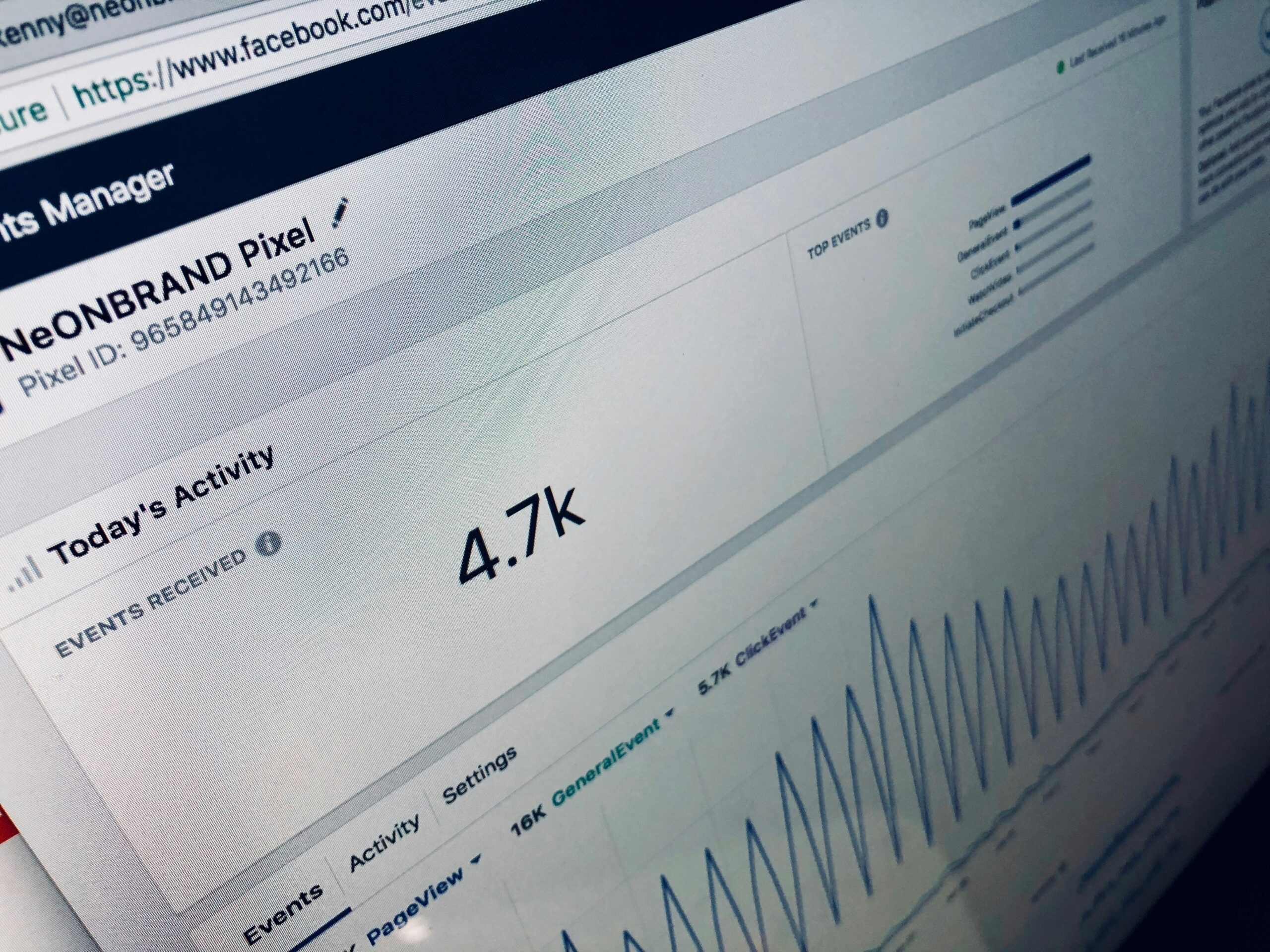
Advertisements can be targeted based on age, gender, location, interests, online behavior, and previous actions. This means your ad does not need to reach simply “as many people as possible,” but specifically those who are most likely to purchase a ticket.
One of the most valuable opportunities is using data from previous ticket buyers. If an organizer already has an existing audience, they can create a similar audience known as a Lookalike Audience. This helps identify new people whose interests and behavior closely match those of existing customers.
This approach significantly reduces wasted advertising budget and improves campaign performance.
3. Test Different Ads Instead of Relying on One Idea
One of the most common mistakes in marketing is assuming that the first ad created is automatically the best solution. In reality, the best-performing advertisement usually becomes clear only through testing.
Different people respond to different visuals, headlines, and messages. For one audience, an emotional video ad may work better, while for another, a clear and informative image ad may perform much stronger. Calls to action (CTA) can also produce very different results.
A/B testing allows organizers to compare multiple versions and see which one generates more clicks, better conversions, and higher ticket sales. Even small changes can lead to surprisingly large improvements.
4. Track Results and Make Decisions Based on Data
Launching an advertisement is not the end of marketing—it is only the beginning. Truly successful campaigns are built through continuous monitoring and optimization which is easy with GateMe.

It is important to track how much one click costs, how many people complete a purchase, and what the real return on the advertisement is. Metrics such as CPC (cost per click), conversion rate, and ROAS (return on ad spend) provide a clear picture of what is working and what is not.
If the data shows that one audience responds better than another, the budget should be adjusted accordingly. If one ad version generates more sales, it makes sense to continue developing that version further.
Data-driven decision-making helps make every future campaign stronger than the previous one.
Conclusion
Successful event marketing is not about having a bigger advertising budget, it is about smarter targeting. The right audience, at the right time, with the right message is what truly increases ticket sales.
When an organizer knows exactly who they are selling to, selling becomes much easier. A well-defined audience, a strong advertising strategy, and continuous performance analysis create the foundation for a successful event.
GateMe helps organizers not only sell tickets, but do so strategically, effectively, and intelligently.
Social media is no longer just a “place to post a flyer.” It has become your main sales channel. With the right strategy, a single post can bring in dozens, or even hundreds, of ticket sales. A poor strategy? Silence. So how do you make people actually buy, rather than just scroll past?
1. Start Earlier Than You Think
One of the most common mistakes is starting marketing too late. Often, an event is posted online, and people hope a few posts will generate interest. In reality, people need time to warm up to the idea. They see the event for the first time, remember it, encounter it again, and only then start considering whether to attend.
That’s why it’s worth starting earlier than it initially seems necessary. Early promotion builds visibility that cannot be made up for with last-minute posts.
2. Content That Sells (Not Just Shows)
Timing is important, but what you actually post is just as crucial. A static flyer can be informative, but it rarely creates emotion. People don’t buy information, they buy feelings.
That’s why videos work best today. Short clips from previous events, crowd reactions, or even simple behind-the-scenes glimpses convey something a photo cannot. According to HubSpot, video content can generate up to twice as much engagement as static posts.
When someone can feel the atmosphere that awaits them, they are already one step closer to buying.
3. The Power of Friends = The Strongest Sales Channel
Another factor that is often underestimated is the influence of friends. Most people don’t decide alone whether to attend an event. They think about whether anyone they know is going, if someone invited them, or whether they can go with a group.
This is one of the strongest “sales tricks” that doesn’t feel like selling at all. When people tag friends in comments, share the event, or talk about it, natural interest is created. This is no longer advertising, it’s a recommendation.
And recommendations work. According to Nielsen, 83% of people trust recommendations from friends and acquaintances more than brand messages. That’s why it’s worth creating content that encourages people to bring others along, not just look at the event.
4. Promoters Can Expanding Your Event Reach
One way to boost ticket sales is by involving promoters. Promoters are people who share your event within their networks, invite friends, and create natural interest. They work similarly to the influence of friends but are often even more effective because their messages reach a larger and more targeted audience.
On GateMe you can add promoters immediately. Every time a promoter shares your event and someone buys a ticket through their link, the promoter is automatically credited or rewarded. This makes the process seamless and motivates people to actively promote your event.
For example: If you have 5 active promoters, each could hypothetically bring 20–50 additional ticket buyers. Combined with friend influence and interactive content, ticket sales could grow significantly faster.
5. Encourage Interaction
Of course, engagement also plays a major role. Comments, reactions, and shares are not just “nice extras”, they are direct signals to algorithms.
Platforms like Meta actively show content that people are already interacting with. This means the more you get people involved through questions, discussions, or even simple reactions the greater your visibility becomes.
6. Use Paid Ads Smartly (Not Blindly)
Paid advertising can be a very powerful tool—but only if used thoughtfully. The most effective campaigns don’t start from scratch; they target people who have already shown interest.
Retargeting means reaching out again to previous visitors and it is particularly effective. It proves a simple truth: the easiest people to sell to are those who have already considered buying.
7. The Last Week = The Most Important
Finally, we reach the moment that often decides everything: the last week before the event. This is when most purchase decisions are made. People are used to waiting, watching, and only deciding at the last moment.
Data shows that a significant portion of tickets are bought just before the event. For example, Skiddle data indicates that nearly one-fifth of ticket sales happen at the last minute.
This means that in the final days, you cannot slow down. On the contrary, this is the time to be most visible.
Conclusion
Social media is not just a channel for sharing information. It is where interest is sparked, emotions are created, and decisions are made.
If you can remain consistent, show real experiences, and involve people social media becomes much more than a marketing tool.
It becomes the reason people decide to come and, more importantly, to come together with others.
Ticket sales reports can seem overwhelming at first, especially if you’re not an analyst. GateMe makes this process simple – all you need to know is which numbers to watch and how to interpret them.
Reading reports effectively can help you:
- Understand how ticket sales are progressing
- Plan marketing campaigns for future events
- Avoid unexpected issues before the even
Start with the Basic Statistics
On GateMe, the most important numbers are usually on the first tab. Focus first on:
- Total visits
- Listed guests
- Visit-to-list ratio
- Revenue – how much money has actually been generated from ticket sales
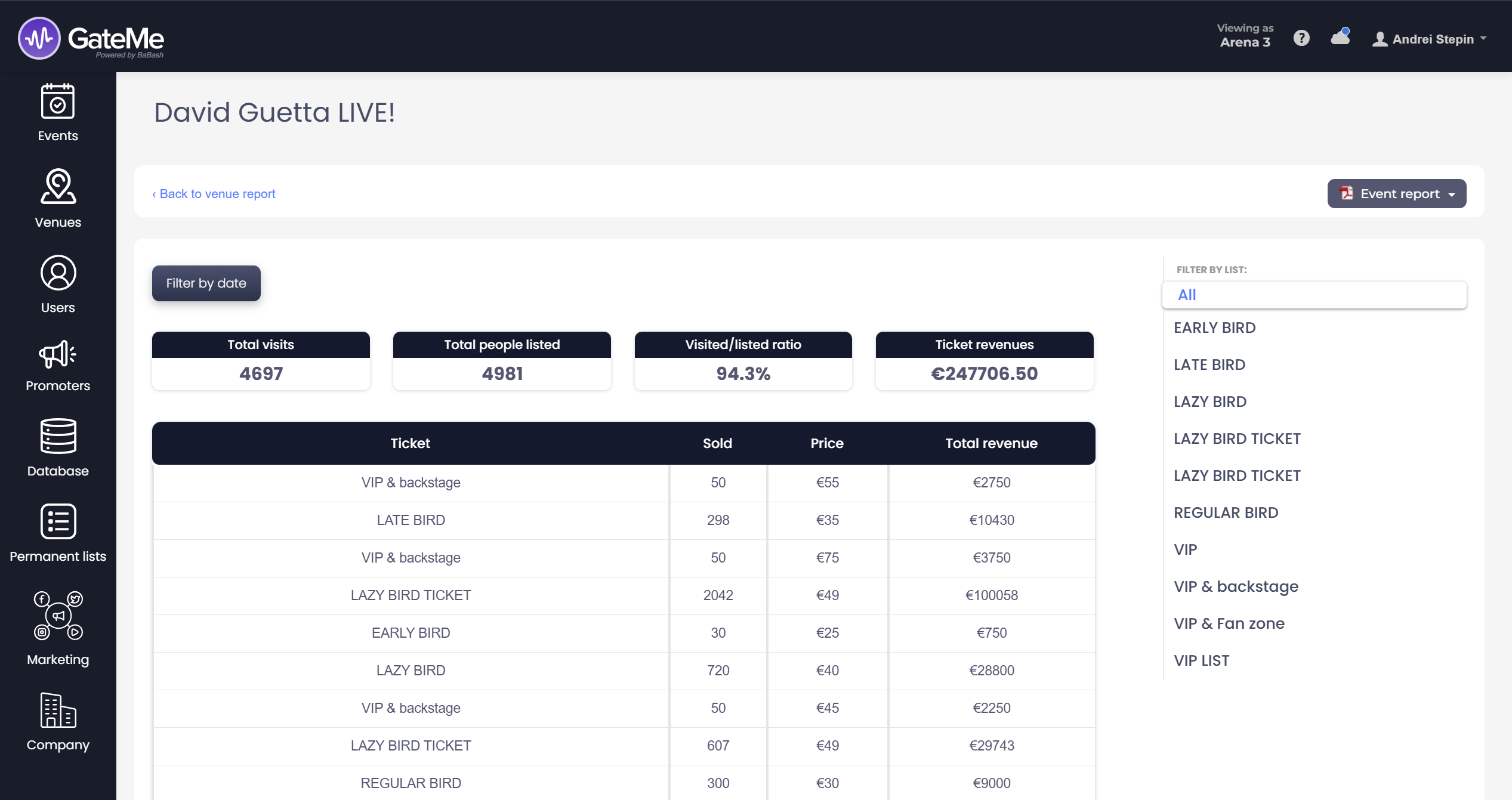
These numbers give you an immediate overview of whether sales are on track and which ticket types are most popular.
Look at Sales Over Time
GateMe also provides real-time charts, so you can see:
- When tickets are being purchased most frequently
- Whether certain days or times show higher activity
- How campaigns or promo codes affect sales
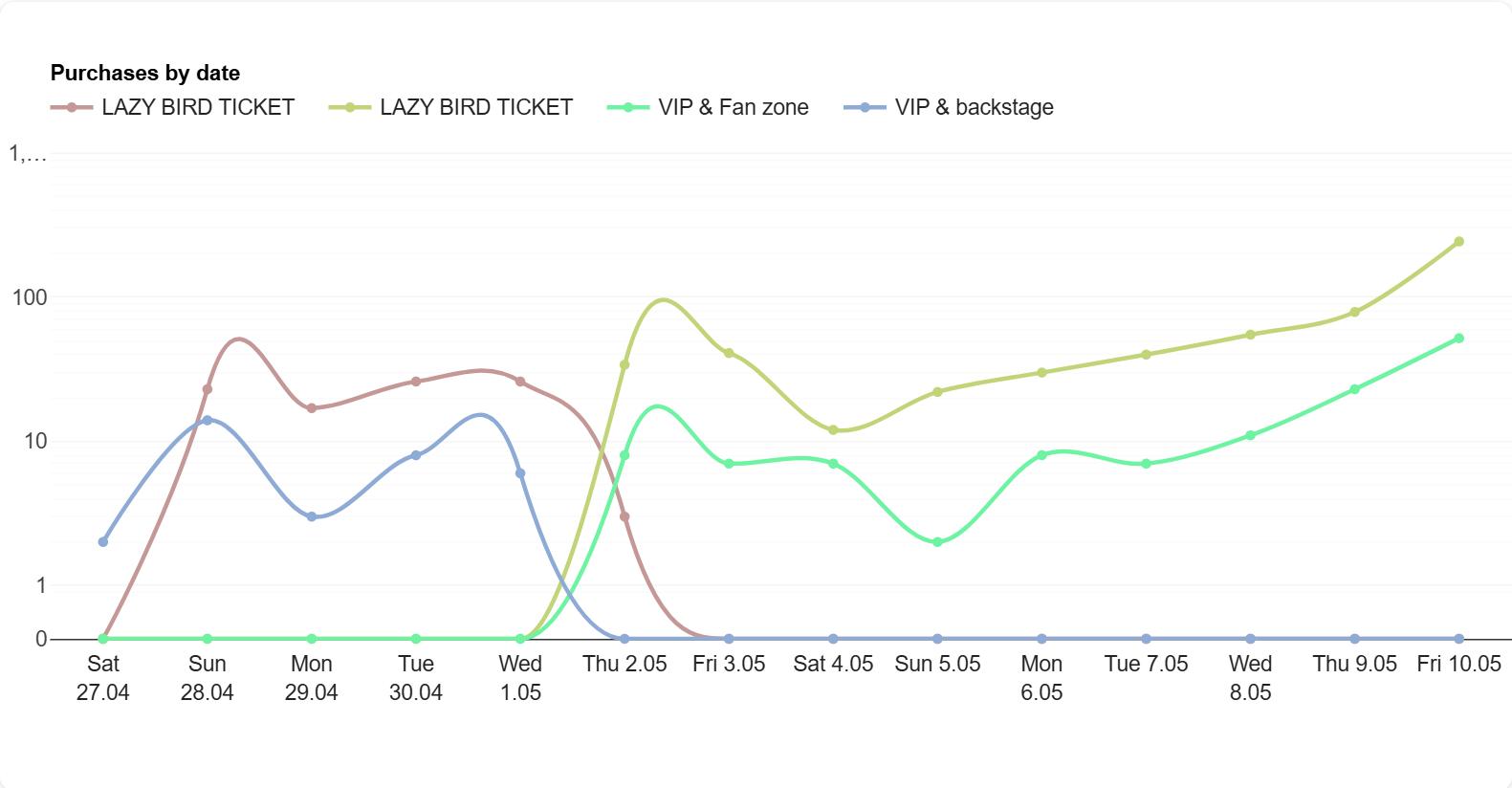
For example, if early-bird tickets sell quickly, that’s a good sign your campaign is working.
Understand Channels and Sources
If you’re using GateMe integrations (e.g., social media or newsletters), you can track which channels are driving the most ticket sales:
- Facebook, Instagram, or email campaigns?
- How do different promotions affect overall sales?
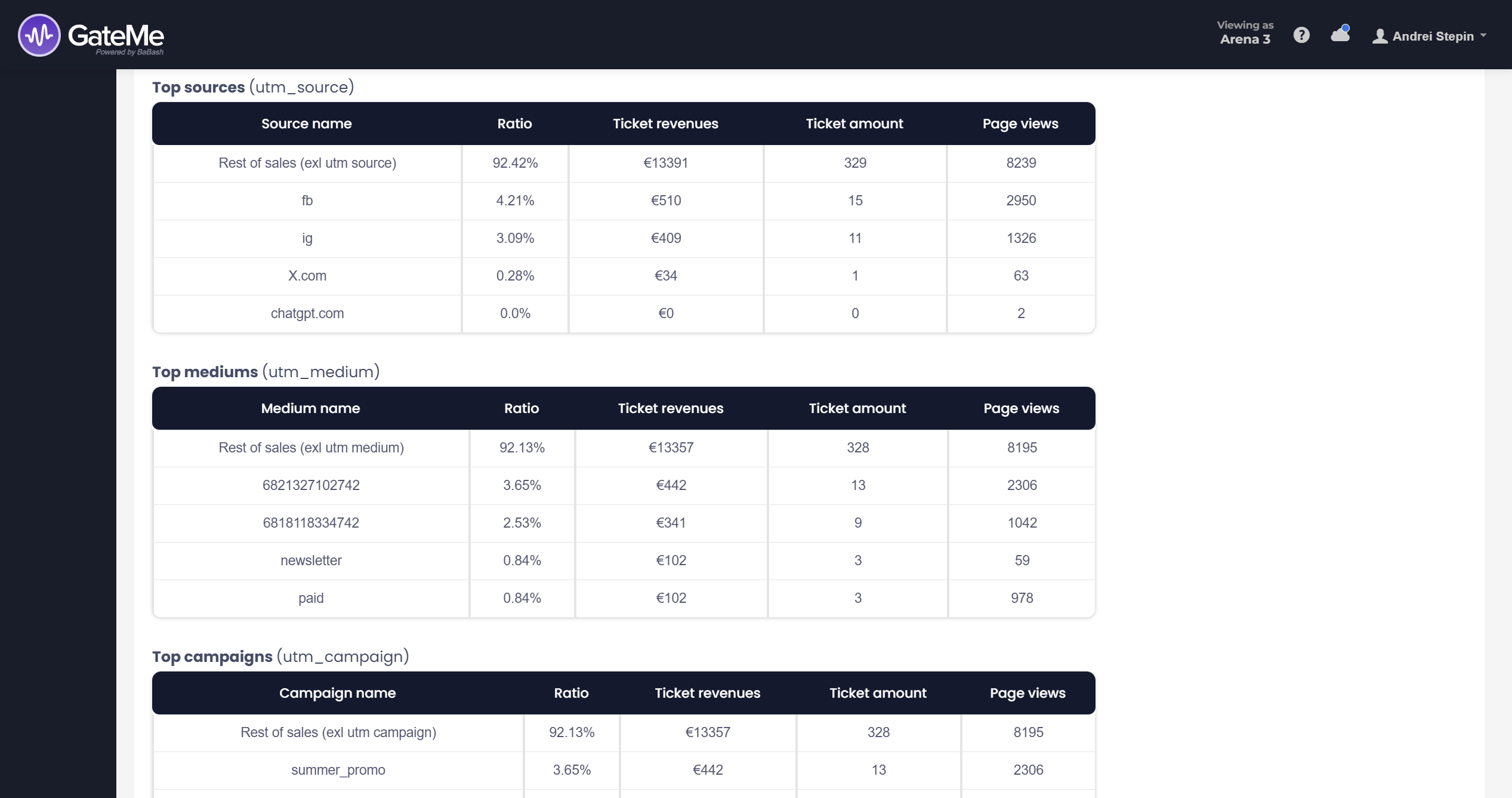
This insight helps you plan marketing more effectively and focus on channels that actually deliver results.
Analyze Attendee Profiles
Even without being a data expert, GateMe reports allow you to:
- Track repeat buyers versus new customers
- Evaluate which offers or ticket types appeal to different groups
- This helps you tailor future events to your audience.
Don’t Fear the Numbers – Focus on Key Info
If the data feels overwhelming at first, focus on three main things:
- Tickets sold and revenue collected
- Sales trends over time
- Which ticket types are most popular
Everything else is additional detail you can explore later if needed.
Summary
GateMe ticket sales reports are designed so that even non-analysts can understand them quickly. Start with the basic stats, track sales over time, and understand your channels and attendees. Doing so allows you to make data-driven decisions, plan your marketing effectively, and ensure your events are successful – all without stressing over numbers.
In today’s highly competitive event landscape, selling tickets isn’t enough event organizers need smart strategies to boost sales, increase attendance, and build lasting audience relationships. With the right tools and approach, you can turn every event into a success. Here’s how GateMe helps you do just that.
1. Use Smart Ticketing That Meets Modern Expectations
Event ticketing has evolved beyond paper and basic online forms. With GateMe, you can offer dynamic ticket types: early bird, VIP, bundle deals, and more, making your offerings more attractive and aligned with customer preferences.
2. Optimize Event Pages With Powerful Descriptions & Images
An event page isn’t just a sales page; it’s your conversion engine. Use strong headlines, compelling descriptions, and relevant visuals to connect with your audience emotionally and informatively. Clear and rich event content increases both click-through rates and conversions.
3. Leverage Built-In Marketing Tools for Maximum Visibility
GateMe Pro doesn’t just handle ticketing; it includes tools that help you:
- Share your event easily on social media
- Add UTM tracking for campaign performance
- Use email reminders and follow-ups
These features help you reach the right people at the right time and improve ROI on your promotional efforts.
4. Integrate Guest Lists Seamlessly
Whether it’s VIP lists, influencer invites, or press passes, GateMe Pro lets customers self-register or be added automatically, reducing admin time and increasing accuracy.
Pro Tip: Use personalized invite links to track high-value attendee conversions.
5. Offer Flexible Mobile Experiences
People expect to buy and manage tickets on the go. GateMe is optimized for mobile users from purchase to check-in ensuring seamless attendee experiences and minimizing drop-offs.
6. Use Real-Time Analytics to Improve Sales Strategies
Analytics should drive decisions. GateMe’s real-time dashboard lets you monitor:
- Ticket sales by type
- Peak purchase times
- Demographics
This lets you optimize pricing, promotions, and planning before your event even starts.
7. Automate Reminders and Follow-Ups
Reduce no-shows with automated reminders, SMS, or email that increase attendees’ likelihood of showing up. Follow-ups can also help gather feedback and fuel future ticket sales.
8. Offer Early Bird and Tiered Pricing Strategies
Encourage early sales by offering limited-time pricing, VIP access, or special bundles. These strategies not only boost revenue early on but also increase search visibility as more people engage with your pages.
9. Showcase Social Proof and Reviews
Encourage attendees to leave reviews or share their experience on social platforms. User-generated content and testimonials can dramatically impact conversions and SEO visibility. Search engines often favor content enriched with real user behavior and signals.
10. Prepare for Event Day With Reliable Check-In Tools
A smooth event day starts at the door. Use GateMe’s QR and barcode scanning to eliminate lines, speed check-ins, and enhance guest satisfaction.
Final Thoughts: Grow Long-Term With GateMe Pro
Event success isn’t just about the day itself; it’s about growth. By leveraging GateMe’s full suite of tools, you not only sell more tickets but also build stronger audience relationships, gain analytics-driven insights, and create events your audience loves.
Ready to take your event sales and attendance to the next level?
Sign up for GateMe today and start selling smarter.
Estonia is known for its vibrant cultural scene, with concerts, club events, festivals, and theatre performances filling the calendar. At the same time, online ticket sales are proliferating worldwide. According to a Straits Research report, the global online ticketing market was valued at approximately USD 39.8 billion in 2024 and is expected to reach USD 74.42 billion by 2033, with an average annual growth rate of 7.2%. The report highlights that the European market is projected to reach USD 13 billion by 2030, driven by rising incomes and increased spending on entertainment. An interesting fact is that in 2020, Estonia had the highest number of cinema visits per capita in Europe (1.4 films per person). This reflects Estonians’ strong interest in attending events, and as ticketing becomes increasingly digital, choosing the right platform is more important than ever.
Why Is It Difficult for Event Organisers to Get a Clear Overview?
Several different ticketing platforms operate in Estonia: Piletilevi, Fienta, Piletitasku, Sibvy/Piletikeskus, Ticketer, GateMe, OnlinePilet, and others. For visitors, it can be confusing to know which platform to use when buying tickets for an event. For example, an ERR article noted that during the summer season (mid-July to August), Piletilevi listed nearly 300 cultural events, while Piletimaailm (another provider) offered 126 events. This fragmentation can confuse audiences and force organisers to promote their events across multiple platforms. Larger platforms like Piletilevi have an advantage thanks to more than one million monthly visits and strong brand recognition.
Main Ticketing Platforms
Fienta
Fienta is a flexible ticketing platform suitable for both large and small events. Organisers can create various ticket types, set price tiers, and use custom registration forms that simplify event management. With mobile-friendly event pages, integration options, and a wide range of payment methods, Fienta is a solid choice for paid, free, and donation-based events alike.
Sviby
Sviby, formerly known as Piletikeskus, is a full-feature platform offering great flexibility: unlimited ticket types, an easy seat-map builder, and smooth event creation. Tickets can be sold both in the Piletikeskus portal and on the organiser’s own website, with support for discount codes, coupons, and detailed statistics. Over 40,000 people use Sviby daily, demonstrating its popularity and broad adoption.
GateMe
GateMe is an Estonia-developed ticketing system designed primarily for managing nightlife and evening entertainment events such as clubs, lounges, concerts, and private parties. It is trusted by well-known venues and organisers like Hollywood, Venus Club, D3, Studio, and several marketing agencies. GateMe’s strengths include daily payouts, advanced marketing analytics, unlimited events, and ultra-fast guest check-in, making it one of the most effective tools for nightlife event organisers.
Piletilevi
Piletilevi is Estonia’s largest and oldest ticketing portal, widely recognised for selling tickets to major concerts, festivals, and theatre performances. The platform has a large and loyal user base and a strong market position, ensuring high visibility for events. Piletilevi is best suited for large-scale events with broad audiences where extensive marketing reach and high credibility matter.
Piletitasku
Piletitasku is a simple and user-friendly ticketing environment designed for quick event creation and a smooth organiser experience. It is well-suited for local events, sports competitions, community gatherings, and concerts. With a clear structure and flexible ticketing options, Piletitasku is a good choice for organisers seeking an easy and affordable solution.
Summary
Estonia’s event industry is lively and diverse, but the abundance of ticketing platforms can create confusion for both organisers and attendees. The local market includes several strong players: Piletilevi dominates large-scale events, Fienta and Piletitasku offer flexible solutions for smaller and community-focused events, Sviby stands out with its rich feature set, and GateMe specialises in professional nightlife and private event management. Choosing the right platform depends on the nature of the event—whether it is a massive festival or an exclusive club night, the right tool ensures smooth ticket sales and better visibility.