

Event promotion to the right audience is the foundation of successful ticket sales. Even the best event will not sell well if the promotion does not reach the right people. Many organizers invest heavily in advertising, but results remain disappointing because the campaign reaches the wrong audience.
If your promotion reaches people who have no real interest in the event, the results will naturally remain modest. The foundation of successful ticket sales lies in clearly defining your target audience and building a marketing strategy around it.
1. Define Your Ideal Attendee
Before creating any advertisement, every organizer should be able to answer the most important question: who is this event actually for? Very often, promotion starts too quickly without properly thinking about who the person is that should be buying the ticket.
Are you targeting young festival-goers who spend most of their time on Instagram and TikTok? Or are you trying to reach business professionals attending conferences, whose decisions are influenced more by LinkedIn and industry recommendations? Perhaps your audience is families looking for quality weekend entertainment.
When defining your target audience, it is important to consider age, location, interests, buying behavior, and previous attendance at similar events. The more precisely the audience is defined, the easier it becomes to create a message that genuinely speaks to them.
A simple visualization tool: Audience Persona Map
To make this process more practical, it helps to visualize your ideal attendee instead of just thinking about them abstractly. A simple “Audience Persona Map” can help you clearly define who you are targeting.
You can draw it like this:
- Name your persona (e.g. “Marketing Manager Mark” or “Festival Fan Laura”)
- Age & location
- Interests & hobbies
- Where they spend time online (Instagram, TikTok, LinkedIn, etc.)
- What motivates them to buy a ticket
- What stops them from buying
2. Use Facebook and Instagram Targeting Strategically
Once your target audience is clearly defined, the next important question becomes how to reach them. Facebook and Instagram offer powerful opportunities for this because the Meta Ads platform allows highly precise audience targeting.
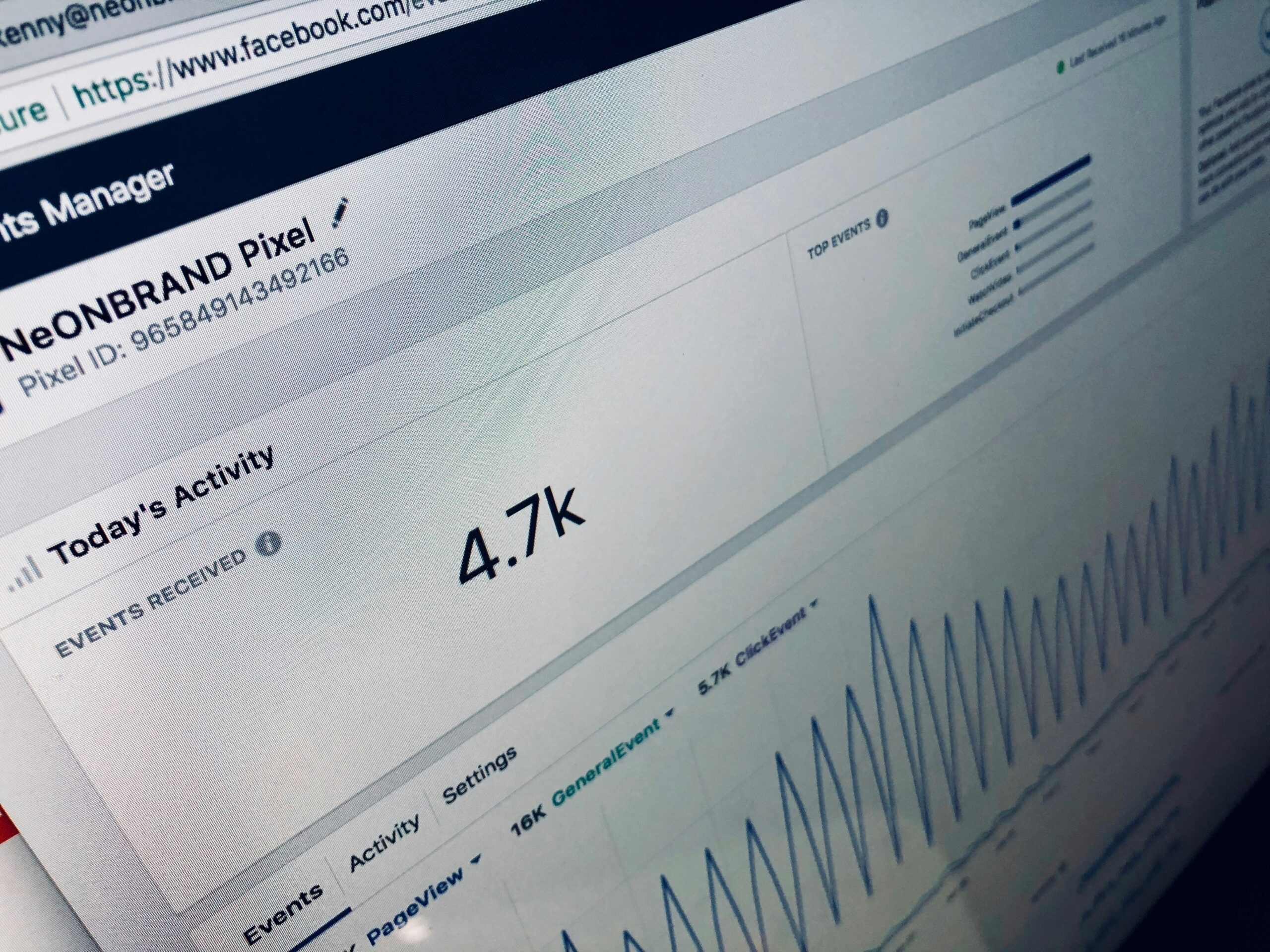
Advertisements can be targeted based on age, gender, location, interests, online behavior, and previous actions. This means your ad does not need to reach simply “as many people as possible,” but specifically those who are most likely to purchase a ticket.
One of the most valuable opportunities is using data from previous ticket buyers. If an organizer already has an existing audience, they can create a similar audience known as a Lookalike Audience. This helps identify new people whose interests and behavior closely match those of existing customers.
This approach significantly reduces wasted advertising budget and improves campaign performance.
3. Test Different Ads Instead of Relying on One Idea
One of the most common mistakes in marketing is assuming that the first ad created is automatically the best solution. In reality, the best-performing advertisement usually becomes clear only through testing.
Different people respond to different visuals, headlines, and messages. For one audience, an emotional video ad may work better, while for another, a clear and informative image ad may perform much stronger. Calls to action (CTA) can also produce very different results.
A/B testing allows organizers to compare multiple versions and see which one generates more clicks, better conversions, and higher ticket sales. Even small changes can lead to surprisingly large improvements.
4. Track Results and Make Decisions Based on Data
Launching an advertisement is not the end of marketing—it is only the beginning. Truly successful campaigns are built through continuous monitoring and optimization which is easy with GateMe.

It is important to track how much one click costs, how many people complete a purchase, and what the real return on the advertisement is. Metrics such as CPC (cost per click), conversion rate, and ROAS (return on ad spend) provide a clear picture of what is working and what is not.
If the data shows that one audience responds better than another, the budget should be adjusted accordingly. If one ad version generates more sales, it makes sense to continue developing that version further.
Data-driven decision-making helps make every future campaign stronger than the previous one.
Conclusion
Successful event marketing is not about having a bigger advertising budget, it is about smarter targeting. The right audience, at the right time, with the right message is what truly increases ticket sales.
When an organizer knows exactly who they are selling to, selling becomes much easier. A well-defined audience, a strong advertising strategy, and continuous performance analysis create the foundation for a successful event.
GateMe helps organizers not only sell tickets, but do so strategically, effectively, and intelligently.