
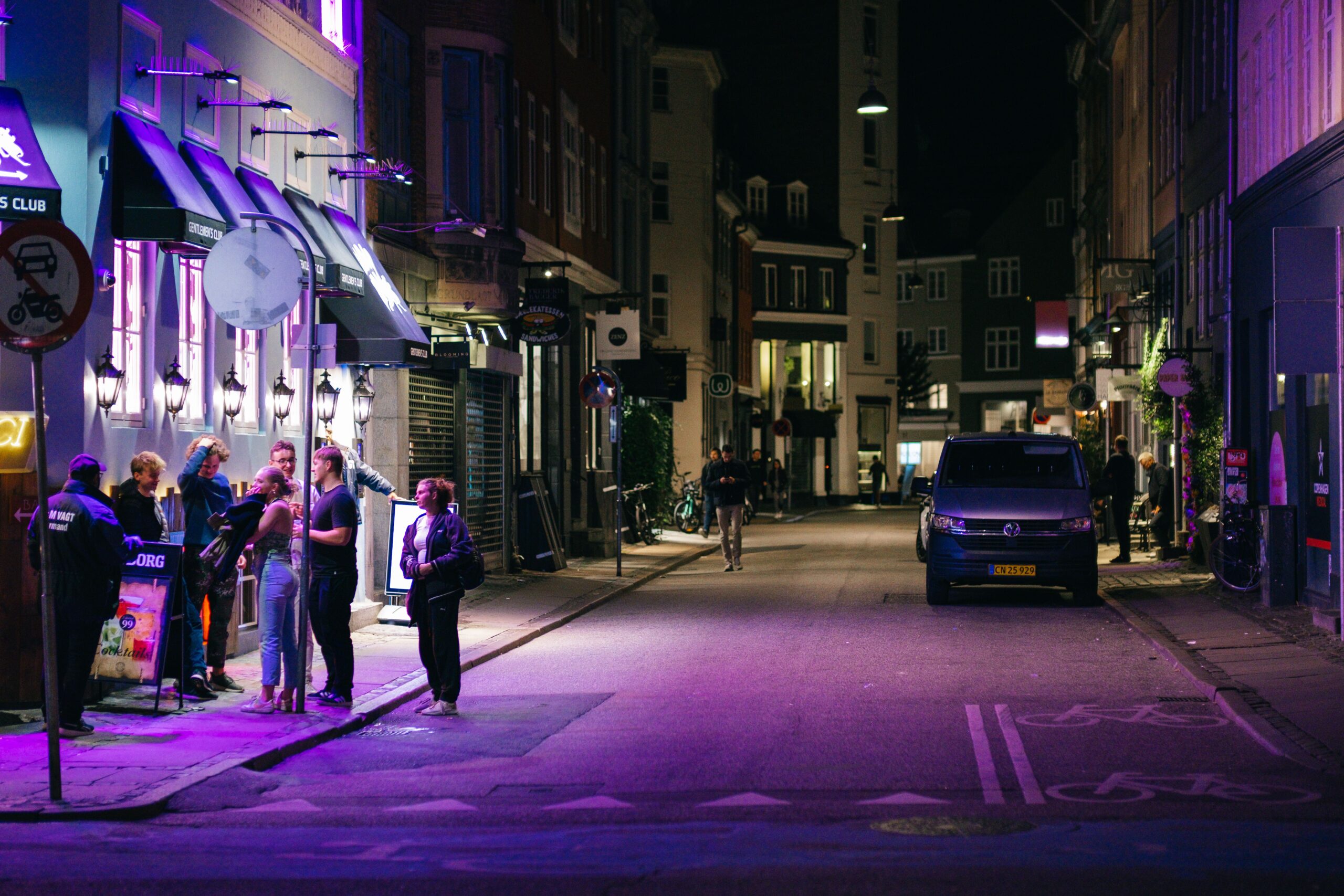
A city can draw up a development plan, extend public transport hours and talk about becoming a 24-hour city. Yet Estonia’s urban cultural life is not created by decisions and plans alone. It also grows out of much smaller decisions: someone finds a new venue, brings artists together, sets a date and opens ticket sales. That is how events, places and habits begin to emerge in cities, shaping the way we experience them.
But how much can individual organisers actually change a city’s cultural life? And what happens when they start thinking beyond their next event and consider the kind of city their work could help create? Estonia’s nightlife is not shaped only in city halls – it is also shaped by the people who make things happen.
Tallinn now has its own “Night Tallinn 2035” strategy. For the first time, the city’s strategic planning places a separate focus on the hours between 7 p.m. and 7 a.m., envisioning Tallinn as a safe, diverse and 24-hour city. According to the strategy, the night-time city is not only about clubs and bars, but also culture, mobility, work, services, public space and entrepreneurship.
But no development plan can make music play on its own. That requires people who organise concerts, festivals, club nights, exhibitions, theatre performances, street events and everything else that gives people a reason to leave home after the working day is over.
Perhaps, then, when we talk about the nightlife of Estonian cities, we should look more towards organisers than city governments.
A City Doesn’t Lock Up at Six
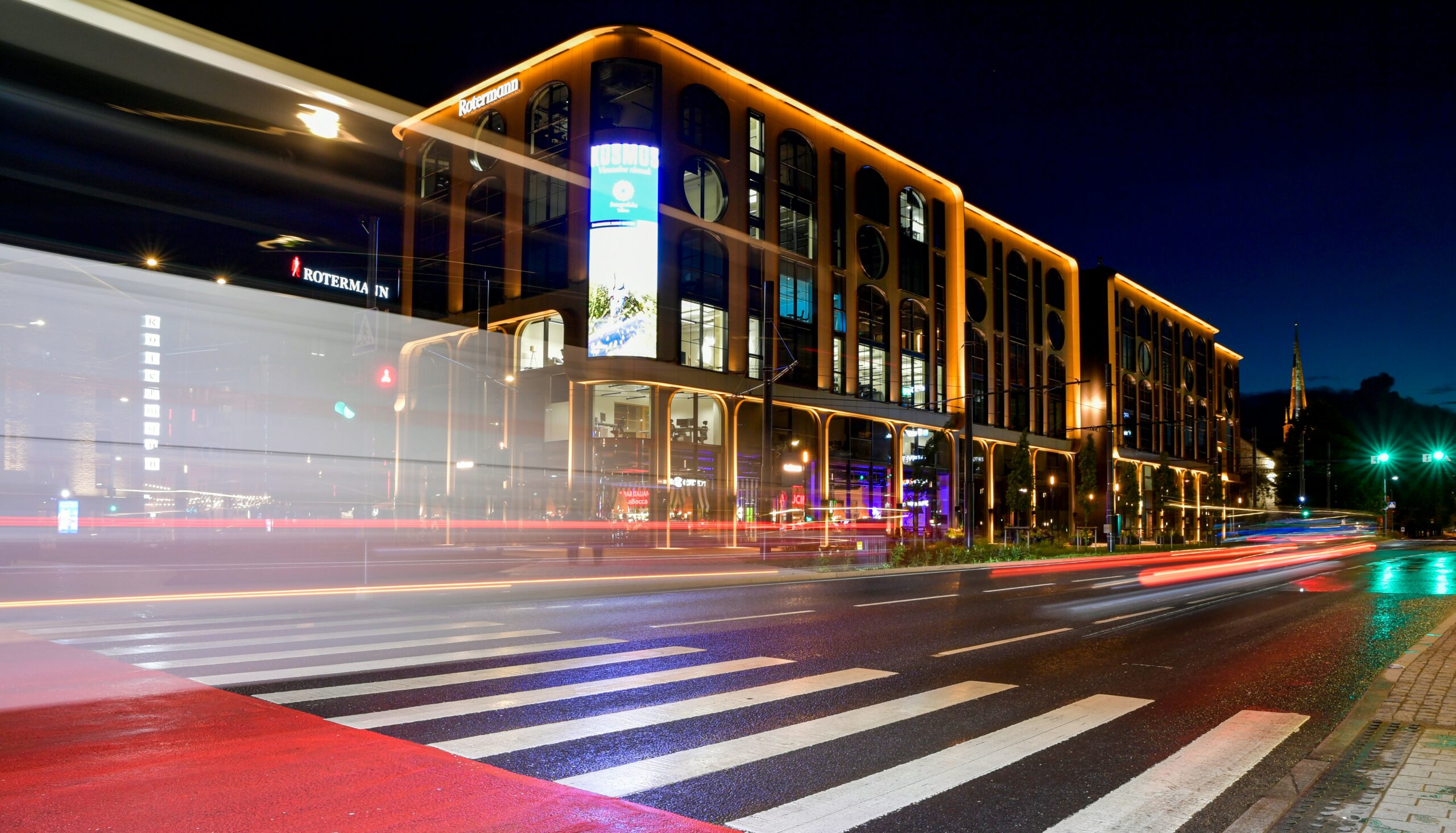
Natalie Mets, Tallinn’s Night Mayor, puts it quite directly in her interview with Müürileht: by 2035, Tallinn could be a city that operates around the clock. That does not simply mean there has to be a party somewhere at two in the morning. Mets also talks about night-time public transport, safety, access to services and the idea that the city should feel visually and emotionally open at night.
That distinction matters. Nightlife is not only about where people go to party. It is also about what a city offers its residents in the evening and at night. If the only options after nine are going to a bar or going home, the city is fairly quick to call it a night. If, on the other hand, you can go to a concert, the cinema, theatre, a gallery, dance, work out, take a late-night walk or attend a small community event, the picture looks very different.
This is where organisers come in.
An Organiser Sells More Than a Ticket
From an organiser’s perspective, it is easy to think of an event as a project. There is a date, a venue, an artist, a budget and ticket sales. From the city’s perspective, something else is happening. Hundreds of people decide to leave home on a Friday evening because of that event. They move from one part of the city to another, use public transport or taxis, go out for food beforehand, meet friends, continue somewhere else afterwards and eventually make their way home.
An event is therefore a small movement through the city. When there are hundreds of them, they begin to create the rhythm of a city. This does not mean every organiser needs to start thinking about their event in terms of urban policy. Quite the opposite. Most organisers simply want to put on a good event. Yet it is precisely through these everyday decisions that cultural life begins to take shape.
Estonian Urban Cultural Life, from Tallinn to Tartu
Tallinn is the most obvious example of this. “Night Tallinn 2035” sets out the goal of making the night-time city more diverse and ensuring that opportunities are not concentrated in just one area. The strategy also discusses bringing underused buildings into use for evening and night-time activities.
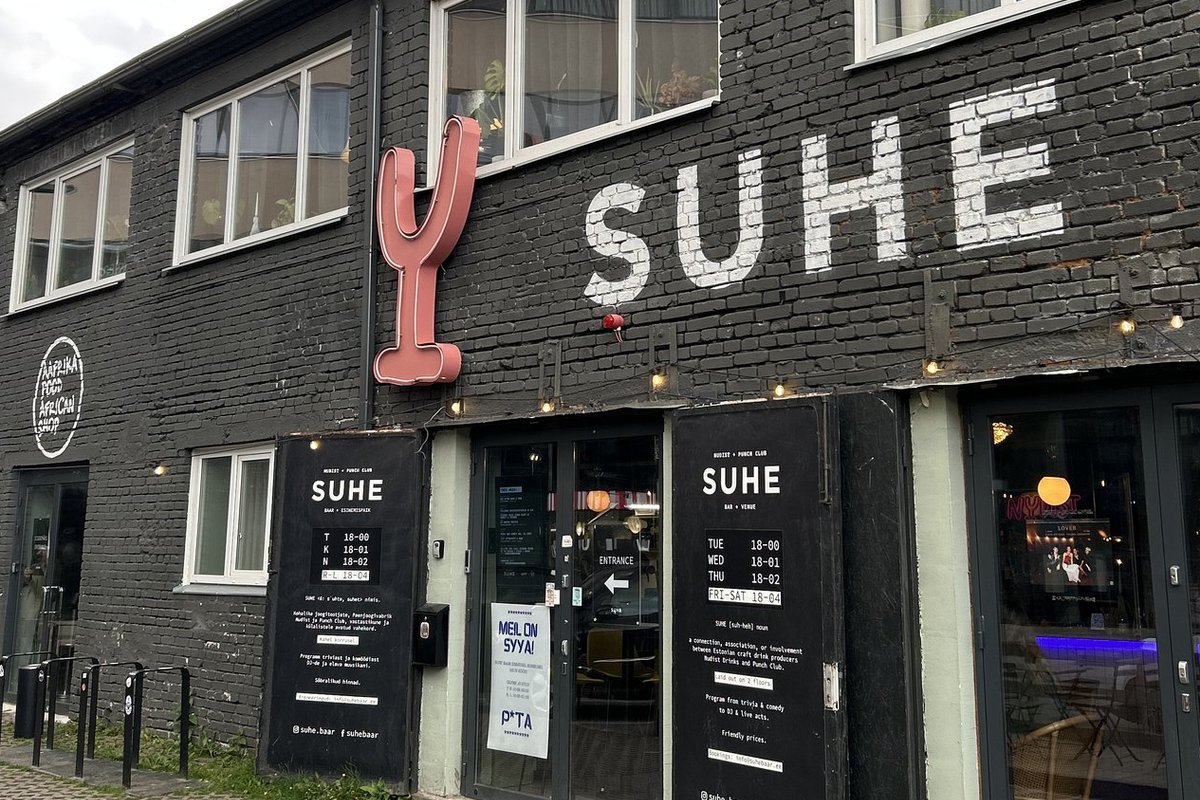
Suhe Bar & Venue
Mets points out in Müürileht how the development of Northern Tallinn has also changed people’s understanding of where the city centre actually is. Telliskivi, Sveta Baar and later Paavli Kultuurivabrik were not always places that Tallinn residents would naturally think of as somewhere to spend an evening. Events and the cultural life surrounding them helped put these places on the city map.
This raises an interesting question:
Does the city shape culture, or does culture shape the city?
In Tartu, this question is particularly interesting.
Tartu’s new Cultural Strategy 2035 does not treat culture simply as one sector among many. Its vision connects culture with wellbeing, community, education, urban space, innovation and entrepreneurship. Tartu aims to be an internationally recognised university city “where cultural life thrives and bold ideas that change the world are born.”
It is a beautiful sentence. But a “thriving cultural life” does not appear by itself. Behind it are people rehearsing, searching for spaces, putting together budgets, inviting performers, selling tickets and somehow trying to fit all of that work into their lives.
This is where KU35 becomes particularly interesting. During the strategy’s development, the discussion focused quite concretely on what cultural practitioners in Tartu actually need. In the field of alternative culture, for example, a lack of space was highlighted, along with the need to find new venues and improve the possibilities for using existing spaces. It was also proposed that the city should map the needs of alternative culture practitioners and cultural institutions and work together with cultural practitioners and communities to develop solutions.
This matters because culture does not only happen in established cultural centres. Sometimes it happens in an old factory, sometimes in a club, perhaps in a basement, but why not in a courtyard or somewhere nobody has previously thought of as a cultural venue? Maybe one of an organiser’s roles is simply to ask: why not here?
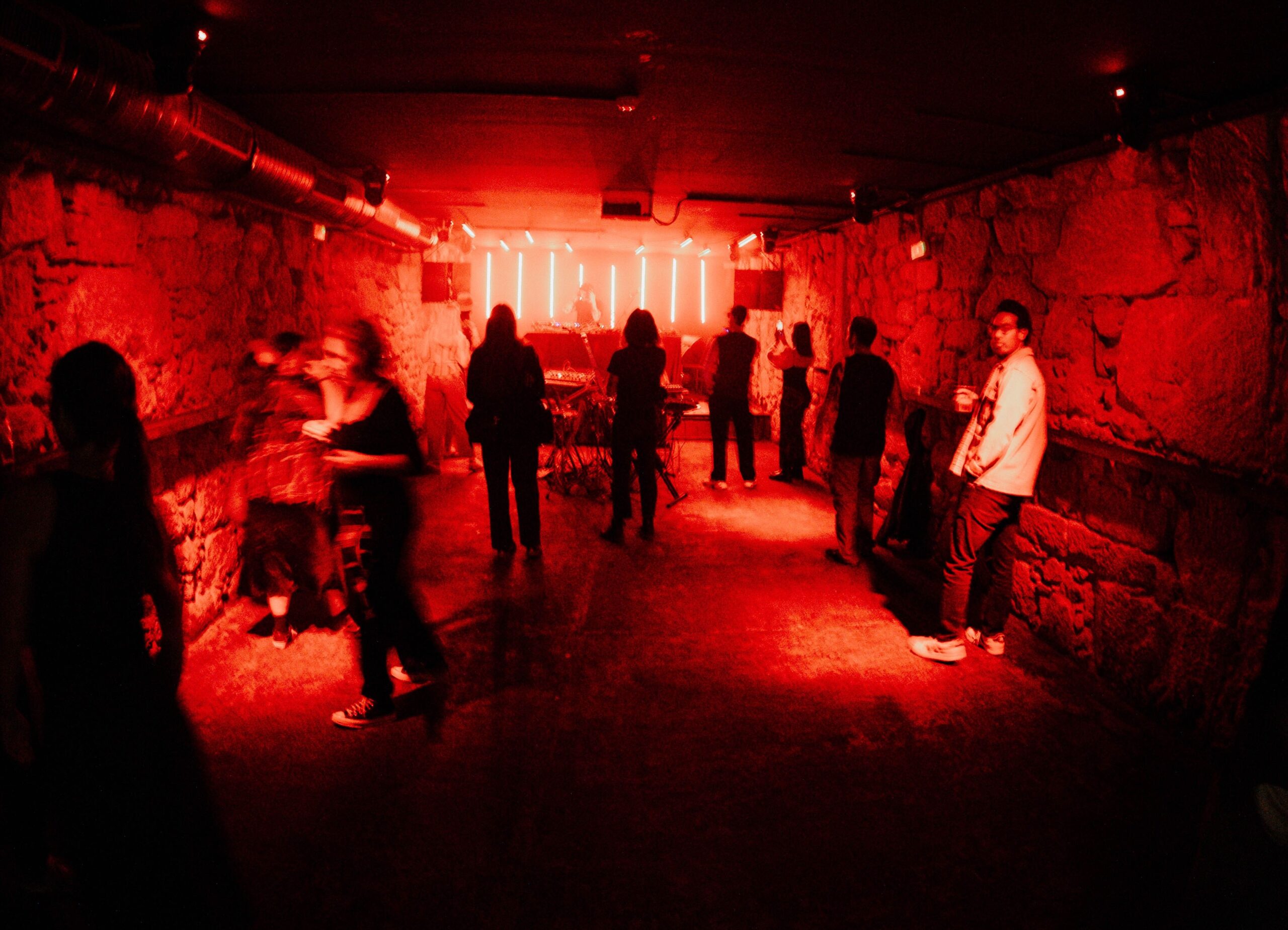
Another important keyword for Tartu is collaboration. KU35 was not developed by city officials alone. Nearly a hundred representatives from the cultural sector gathered for the vision seminar, followed by sector-specific meetings. Residents and organisations were also able to contribute their ideas to the strategy.
This sends a fairly clear message to organisers: the city does not have to create culture on its own. And, conversely, cultural practitioners cannot always wait for the city to do everything for them. If there is no space, a new one has to be found. If there is no audience, it is worth thinking about who the event is actually for. If a format no longer works, something else needs to be tried. If one venue is too expensive, perhaps there is another place with completely different potential. The city and the organiser do not have to exist in two separate worlds. There is a whole range of possibilities in between.
Pärnu Doesn’t Have to Wait for July
In Pärnu, a different question comes into play: how do you turn a place that we tend to see primarily as a summer destination into a city of events throughout the year?
Pärnu’s identity is strongly connected to the sea, summer and festivals. That is the city’s strength, but at the same time it can become a trap. When most of the attention is concentrated into a few summer months, the rest of the year can feel as if it is simply waiting for the next season. Organisers can shift that pattern. A small concert in November. A new event series in January. An art night in a place where it has never happened before. A festival that does not depend on beach weather.
Pärnu’s identity is strongly connected to the sea, summer and festivals. That is the city’s strength, but at the same time it can become a trap. When most of the attention is concentrated into a few summer months, the rest of the year can feel as if it is simply waiting for the next season. Organisers can shift that pattern. A small concert in November. A new event series in January. An art night in a place where it has never happened before. A festival that does not depend on beach weather.
And eventually, people stop asking whether anything happens in Pärnu during winter. They start asking what is happening there.
Does Every City Need Its Own Paavli?
Not necessarily. This may be one of the most important ways to rethink Estonia’s cities. Tartu does not need to copy Tallinn’s nightlife. Pärnu does not need to copy Tartu. Kuressaare does not need to copy Pärnu. Every city has its own pace, people, spaces and cultural habits.
Tartu’s strengths may lie in its students, universities and its size: small enough for people to know one another, but large enough for distinct cultural communities to emerge. In Pärnu, the summer city, the sea, festivals and cultural tourism play a larger role. Tallinn has a larger audience, more events and greater competition for people’s attention.
And if a city wants to be a place where “cultural life thrives” by 2035, organisers have a very concrete role to play in that vision. They do not have to wait until 2035 arrives. They can already start making the city a little different today.
What Can an Organiser Actually Change?
Not everything, of course. An individual organiser cannot create a night bus route, build a new cultural centre or solve the shortcomings of urban space in a year. Nor can they decide how much money will be allocated to the cultural budget next year.
Not everything, of course. An individual organiser cannot create a night bus route, build a new cultural centre or solve the shortcomings of urban space in a year. Nor can they decide how much money will be allocated to the cultural budget next year.
What they can do, however, is change what actually happens in the city. They can choose a venue that has not previously been associated with events and bring people there who might not otherwise visit. They can give an opportunity to an artist or collective that does not yet have a large audience, or organise an event at a time when the city usually becomes quieter.
It is also worth thinking about what happens after the first evening. How does someone get to an event they have never attended before? Do they have a reason to come back? Perhaps most important of all is consistency. One event can be just one evening in the calendar. But if it becomes a series, the series becomes a habit, and the habit becomes something people associate with a particular city or neighbourhood, the organiser’s role changes too. They are no longer simply creating one event; they are helping shape the rhythm and identity of a place.
What Should We Take Away From This?
At the end of the day, every event has someone behind it who decided that it was worth trying. Someone who found a venue, brought people together, took a risk, put a date in the calendar and hoped that others would show up. It is from decisions like these that a city where things actually happen is created.
Organisers do not usually build new streets or decide where the next cultural centre will be. But they very often decide what happens on those streets and inside those buildings. They give places a reason to open their doors, artists a chance to take the stage and people a reason to leave home. Some events last for one evening, while others grow into traditions. In either case, there is an idea and the courage to actually make it happen behind them.
For an idea to eventually reach real people, however, it takes an entire chain: a venue, performers, technology, communication, ticket sales and, ultimately, an audience that decides to show up. GateMe is one small but important link in that chain – a place where organisers can bring their events to people and where people can discover what is happening in their city next.
But the platform does not create the event. Organisers do. They are the ones who decide that this is where a stage could go, that this artist deserves an opportunity, or that something should happen right now. They are the ones who give a city a reason to move, meet and come back.
So when we think about who really keeps Estonia’s urban cultural life alive, it is worth looking towards the people who are willing to start something. A city does not become lively only when someone builds a new building or writes a new development plan. Sometimes all it takes is someone putting a date in the calendar and saying: let’s do it.